




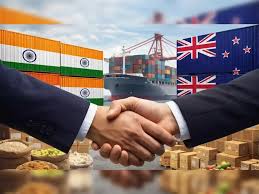
India and New Zealand are set to sign a comprehensive Free Trade Agreement that goes beyond tariffs, covering market access, investment, talent mobility, and people-to-people ties, with an industry engagement event held in Agra highlighting the breadth of sectors set to benefit. Agra, contributing approximately 75 percent of India’s leather footwear production, stands to gain significantly.
On the eve of the signing of the India-New Zealand Free Trade Agreement (FTA), a high-level Industry Engagement Programme was held in Agra, bringing together top government officials and key industry representatives from sectors spanning AYUSH, light engineering, leather and footwear, medical devices, sports goods, and small-scale industries.
Industry voices from across the spectrum shared their perspectives, reflecting the depth and diversity of India’s manufacturing capabilities in leather manufacturing expertise, Pharma industry, medical devices industry, and engineering products. The consensus was clear: this moment carries enormous economic promise.
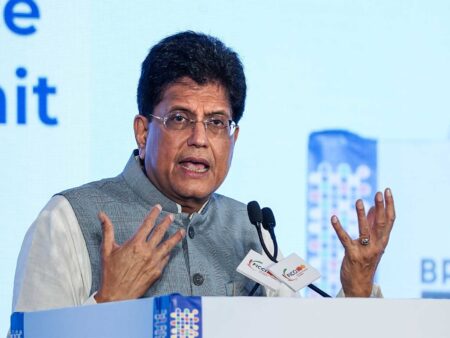
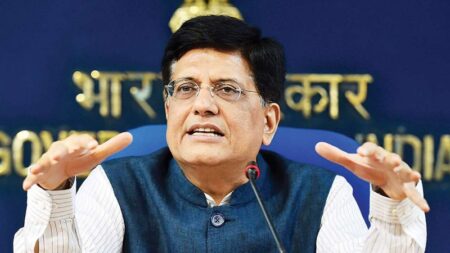
Both nations’ trade ministers emphasised that the India-New Zealand FTA transcends far more than a tariff agreement. It is a comprehensive framework encompassing market access, agricultural productivity, investment flows, talent mobility, tourism, and people-to-people ties, engineered to deliver tangible benefits to manufacturers, MSMEs, farmers, women entrepreneurs, students, and skilled professionals on both sides.
Agra, which accounts for roughly 75 per cent of India’s leather footwear production and holds a coveted Geographical Indication (GI) tag for its leather goods, stands at the centre of this opportunity. With the FTA eliminating duties on 100 per cent of Indian exports from Entry into Force and reducing tariffs on leather and footwear from 5 per cent to zero – Indian exporters are positioned to gain a decisive competitive edge. The sector is projected to grow to USD 50 billion by 2030, fuelled by a strategic shift from mass production to high-value manufacturing.
Beyond trade, the agreement creates meaningful pathways in education and talent mobility, opening new opportunities for Indian students and professionals in New Zealand, signalling the beginning of a deeper, people-centred bilateral partnership.