



Oil surged nearly 6% toward $95 as rising tensions in the Strait of Hormuz sparked fears of supply disruptions and unsettled global markets. The situation worsened after a U.S. seizure of an Iranian vessel, with Iran threatening retaliation and tightening control over the critical shipping route.
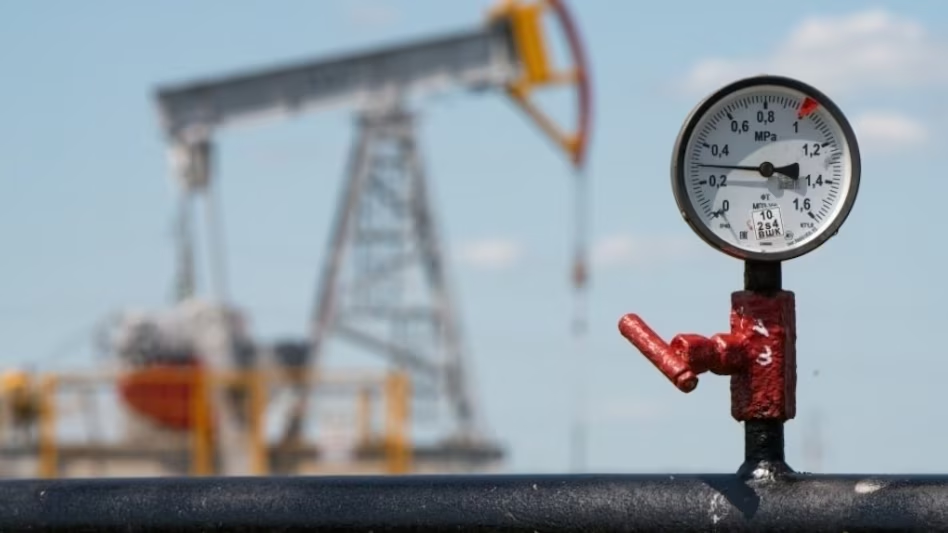
Global financial markets opened the week on an unsettled note as escalating tensions around the Strait of Hormuz sent oil prices sharply higher and rattled investor confidence. Brent crude futures climbed close to 6%, touching $95.16 per barrel, as disruptions to Gulf shipping routes raised concerns over a tightening global energy supply.
The broader market reaction was swift. S&P 500 futures declined around 0.6%, while European equity futures fell 1.1%. Meanwhile, bond markets reversed their recent gains, yields on benchmark 10-year U.S. Treasuries edged up by 2.2 basis points to 4.266%. Investors appeared to seek stability amid heightened geopolitical uncertainty, even as dialogue between key parties remained elusive.
The crisis intensified after reports that a ceasefire, expected to hold through Tuesday, came under serious threat following the seizure of an Iranian cargo vessel by the United States. Iran’s top military command issued a strong warning of retaliation, while Tehran publicly rejected renewed peace overtures, declining to engage in fresh negotiations despite calls from Washington.
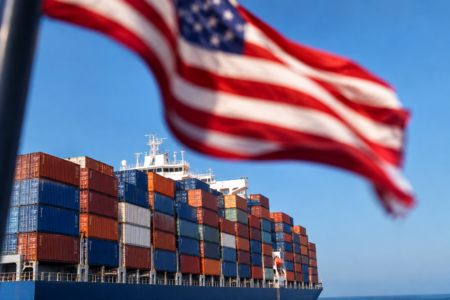
Iran subsequently reimposed a de facto closure of the Strait of Hormuz, one of the world’s most critical maritime chokepoints. However, Kpler data indicated that more than 20 vessels transporting oil, metals, natural gas, and fertiliser passed through the waterway on Saturday, marking the busiest single day for the strait since the 1st March, 2026.