


Freight rates are surging, containers are stranded, and Indian exporters are being forced to rethink supply chain strategies from the ground up.

The global maritime logistics system is once again facing severe instability as geopolitical tensions across West Asia intensify. The Strait of Hormuz, through which nearly one-fifth of the world’s oil and a major share of containerised cargo move, has become a zone of heightened operational risk. Shipping lines, insurers, freight forwarders, and exporters are all recalibrating their supply chain strategies amid fears of disruption, delays, and rising costs. For India, whose trade is deeply dependent on maritime transportation, the situation has emerged as both a logistics and economic challenge.
THE FREIGHT RATE SURGE
The sharp escalation in freight rates is being driven by a combination of security-related costs and tightening vessel capacity. Marine insurance providers have revised war-risk premiums upward by nearly 15 to 20 per cent, with these additional burdens transferred to cargo owners through emergency surcharges. Container freight rates that previously ranged between USD 800 and USD 1,500 for standard shipments are now reportedly ranging between USD 3,000 and USD 5,000 per container depending on destination and vessel availability. Shipping lines are also experiencing an estimated 50 per cent increase in bunker fuel costs due to route diversions and crude oil market volatility.
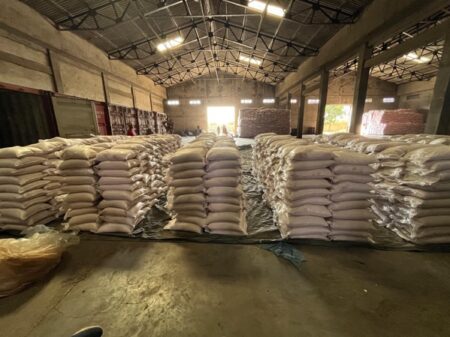
Beyond freight charges, exporters are facing difficulty securing container space. Shipping lines are reducing sailings in volatile sectors, creating equipment shortages across major Indian gateways including JNPT, Mundra, and Chennai. Smaller exporters dependent on spot bookings rather than annual freight contracts face the sharpest uncertainty.
THE TRANSIT DELAY CRISIS
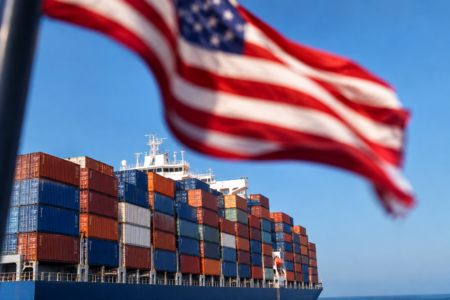
Many global carriers are rerouting vessels around the Cape of Good Hope to avoid security-sensitive corridors, extending normal transit schedules by approximately 10 to 20 additional days. Industries dependent on just-in-time supply chains, including automotive components, engineering goods, pharmaceuticals, and textiles, are particularly vulnerable. Nearly 40,000 to 50,000 Indian containers are presently stranded or delayed at sea, with the value of trapped cargo estimated between USD 1 billion and USD 1.5 billion. This is placing enormous pressure on business liquidity, working capital cycles, and production planning across the country.
BUILDING RESILIENCE
In response, logistics operators are redesigning cargo routing strategies. Exporters are increasingly routing shipments through secure transshipment hubs such as Singapore and Colombo, which offer stable operating environments and strong feeder connectivity. For cargo destined to North and South American markets, direct transpacific sailings from western Indian ports are providing an alternative that bypasses West Asian risk entirely. Businesses are also splitting cargo across multiple carriers, renegotiating delivery timelines with overseas buyers, and investing in real-time visibility tools to monitor vessel schedules and blank sailing announcements.
The present crisis reinforces a lesson the industry has been slow to internalise: maritime logistics is no longer merely an operational function. It is a strategic component of economic security and trade competitiveness. Future supply chains will increasingly prioritise resilience, route diversification, and strategic flexibility over purely cost-driven models.