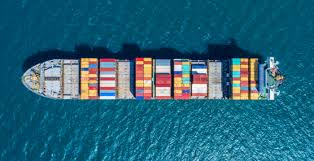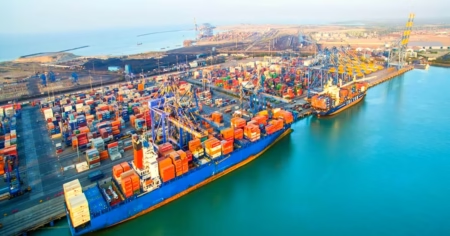



Recent attacks in the Strait of Hormuz are crippling global shipping, severely delaying India’s project cargo for oil, gas, manufacturing, and infrastructure. Commercial vessels are rerouting from high-risk Gulf hubs like Fujairah to alternatives such as Salalah and Colombo, spiking freight costs and shortening quote validity.
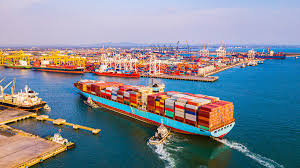
Fresh attacks and vessel seizures in the Strait of Hormuz have pushed an already strained global shipping network to a breaking point. With naval tensions elevated and commercial traffic severely constrained, the ripple effects are landing hard on India- particularly on the movement of large-scale project cargo.
Sectors including oil and gas, heavy manufacturing, and infrastructure are bearing the steepest costs. Securing specialized vessels and confirming routes has become increasingly difficult, with shipments that depend on Gulf connectivity facing significant delays. Freight quotations that once held validity for weeks are now expiring within days, as vessel availability and routing conditions are rapidly shifting.
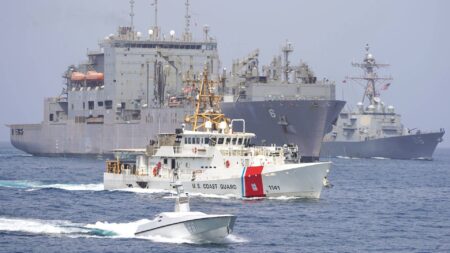
The Strait itself remains technically open, but most commercial operators have pulled back capacity and rerouted away from Gulf-linked corridors. Transshipment flows are moving away from Fujairah, now inside most war-risk boundaries — toward alternatives such as Salalah, Duqm, Khalifa Port, and Colombo. Each shift comes with its own cost and schedule trade-offs, making standardized routing a thing of the past.
India is now exploring sovereign-backed insurance mechanisms to maintain maritime trade continuity. Indian exporters, meanwhile, have started building flexible delivery windows into their schedules, and in some cases, Gulf-bound cargo has been rescheduled entirely or returned to origin ports.
The consequences extend beyond freight costs. Refiners face higher landed prices for In oil & gas. Petrochemical and fertilizer producers are exposed to mounting cost pressures from energy-linked supply chains. Infrastructure projects risk overruns as critical equipment movement stalls. For manufacturers, firm delivery commitments are being avoided, export execution has turned out to be more expensive, with potential knock-on effects on working capital and payment cycles.