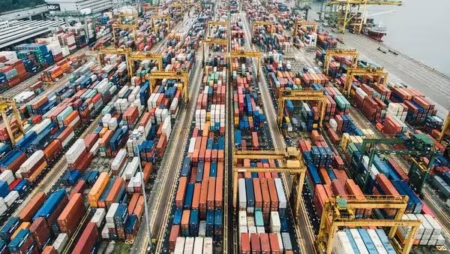





Two cargo vessels were attacked in the Strait of Hormuz on April 22, 2026, Iran’s Revolutionary Guard fired on a container ship without warning (per UKMTO), while a second vessel was forced to halt shortly after, raising immediate scrutiny toward Tehran.
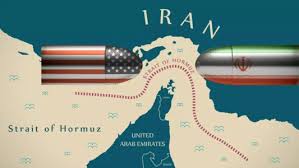
Two cargo vessels came under fire in one of the world’s most strategically sensitive waterways, casting a long shadow over ceasefire negotiations already hanging by a thread.
Tensions surged dramatically on 22nd April, 2026 after two commercial vessels were attacked in the Strait of Hormuz, the narrow chokepoint through which nearly a fifth of the world’s oil supply passes. The incidents have showcased the fragile nature of the ceasefire.
In the first incident, Iran’s Revolutionary Guard opened fire on a container ship earlier in the day, striking the vessel and causing structural damage, though no injuries were reported. The UK Maritime Trade Operations (UKMTO) confirmed the vessel was hit at approximately 7:55 am local time and noted that no warning was issued before the Guard gunboat opened fire, a claim disputed by Iranian media, which maintained the ship had disregarded prior signals from Iranian armed forces.
Within hours, a second cargo vessel reported being fired upon and forced to halt in open water. No damage was recorded in that instance, but the sequence of events drew immediate scrutiny towards Iran. Both incidents come shortly after US naval forces seized an Iranian container ship and boarded an oil tanker linked to Tehran in the Indian Ocean.
On Tuesday evening, US President Donald Trump announced an indefinite extension of the ceasefire, offering Iran time to formulate a unified proposal. Iran has yet to formally acknowledge the extension and has publicly condemned the ongoing naval blockade as unacceptable, raising serious doubts about whether delegations will convene for scheduled talks in Islamabad. With maritime commerce disrupted and rival narratives hardening on both sides, the path to dialogue has seldom looked narrower.