



India is planning a cross-border oil pipeline to Sri Lanka as part of a broader energy partnership with Sri Lanka and the UAE. The project centers on developing Trincomalee into a key regional energy hub with a more robust storage, refining, and pipeline infrastructure.
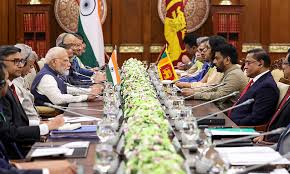
India is advancing a major energy connectivity initiative linking it to Sri Lanka through a cross-border oil pipeline, as both nations deepen bilateral cooperation. The proposal, discussed during a high-level diplomatic engagement in Colombo on April 19, is part of a broader trilateral energy framework involving India, Sri Lanka, and the United Arab Emirates.
At the heart of accelerating a trilateral energy architecture revolves around the development of Trincomalee as a full-scale regional energy hub that is being reimagined to serve a far larger purpose — one that encompasses fuel storage, refining potential along with developing multi-product pipeline connectivity, and bunkering infrastructure.
What sets this project apart is the triangular partnership. India and the UAE have agreed to jointly develop the Trincomalee facility, positioning it as a nodal point for energy distribution. This approach reflects India’s broader strategy of building energy influence through agile and interconnected supply chains rather than singular infrastructure projects.
Unlike large-scale infrastructure-driven models, India’s energy strategy in Sri Lanka has historically relied on speed and reliability of supply. This has allowed India to respond swiftly during periods of global energy disruption, creating strong supply-side dependencies. The proposed pipeline and Trincomalee hub represent an effort to institutionalise and scale that presence. The Trincomalee initiative signals India’s resolve to consolidate its role as a leading energy partner in Sri Lanka