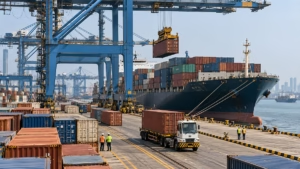



India’s logistics and supply chain network is facing a severe disruption triggered by the escalating conflict in the Gulf region, with industry stakeholders describing the situation as a Force Majeure event that is rapidly cascading across the country’s entire export-import ecosystem.
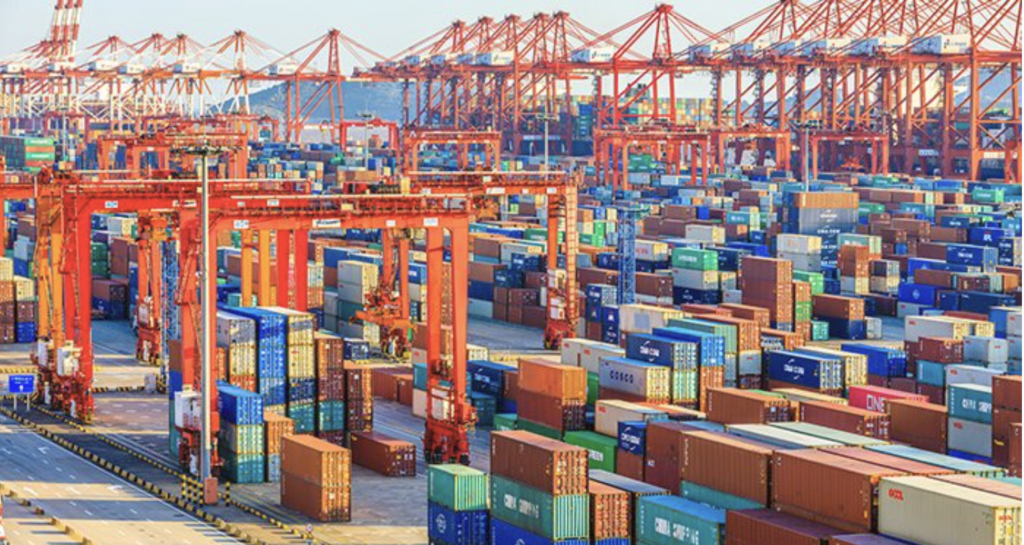
The scale of disruption is stark. In the container rail sector alone, the number of idling rakes has surged to over 50 trains in March, a dramatic spike from the usual 4 to 5 rakes typically stabled during normal cargo fluctuations. Empty Wagon movements have climbed to an estimated 15 to 20% of total Wagon runs, far above the standard 5% average, as operators scramble to manage collapsing cargo volumes. Most operators have also scaled back double-stack cargo movements to avoid empty runs, further driving up operational costs.
The broader trade impact is equally alarming. EXIM volumes have fallen by approximately 40% in March alone, with heavy fluctuations hitting both export and import flows simultaneously. Domestic transport in the tile and steel industries, both heavily reliant on imported raw materials, has already seen volumes decline by an estimated 10%, with the figure rising rapidly.
While some relief measures have been introduced, industry voices are calling for more decisive intervention. Customs authorities issued a back-to-town circular on March 8, permitting the return of export cargo to origin. The Office of the Director General of Shipping issued a notice on March 9 directing shipping lines to maintain pricing transparency and avoid predatory charges against cargo owners.
However, a critical gap remains. Indian Railways, one of the most significant cost influencers in the container logistics sector, is yet to announce any relief measures, a silence that is being felt acutely across the industry as freight operators and end-use customers brace for further disruption in the weeks ahead.
With exporters, importers, and industries dependent on imported raw materials all feeling the pressure simultaneously, the call for coordinated, swift government action has never been louder.