

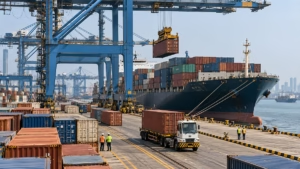



The government has scrapped the existing limit on courier export consignments, a move aimed at making cross-border shipping easier and more cost-effective, especially for small businesses, artisans, and startups selling overseas. Earlier, high-value parcels exceeding the cap were forced into more expensive air or sea cargo routes, adding to costs and delays.
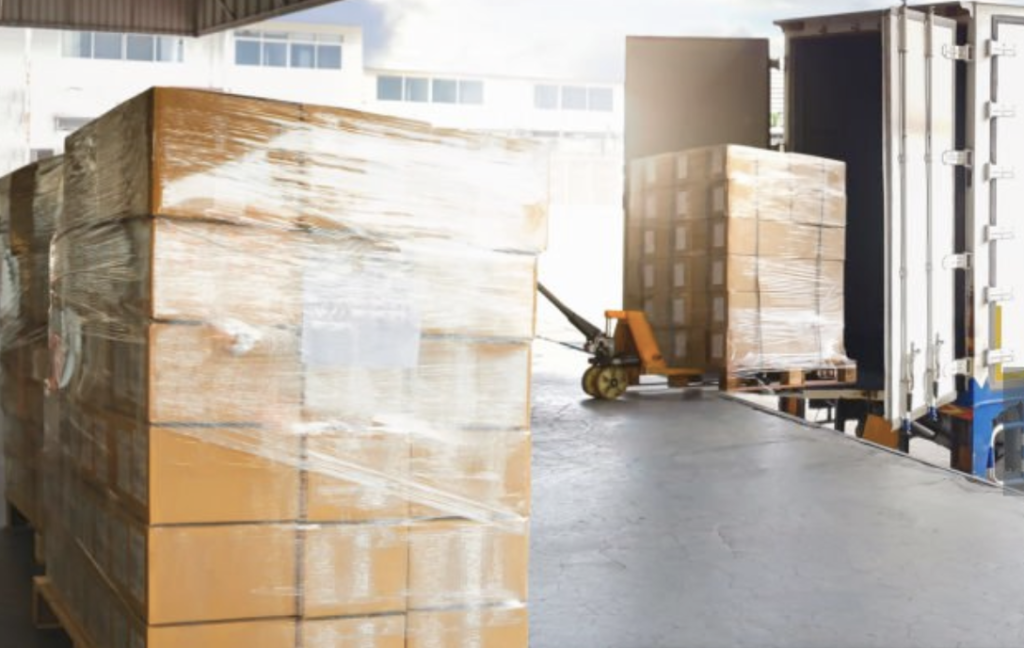
The Central Board of Indirect Taxes and Customs (CBIC) has notified amendments to courier import-export regulations, scrapping the ₹10-lakh per shipment ceiling with effect from April 1, 2026. The reform, announced during the Union Budget 2026-27, removes a long-standing restriction that had pushed higher-value parcels into costlier air or sea cargo channels.
According to CBIC, eliminating the cap is expected to provide exporters with greater flexibility in shipment size while significantly reducing the compliance burden, particularly for small businesses, artisans, and startups that rely on courier networks for their overseas sales operations. In a parallel reform, the overhaul introduces a formal ‘Return to Origin’ mechanism for unclaimed or uncleared goods. Under the new framework, parcels held at courier hubs for more than 15 days can now be sent back through a simplified process, provided they are not restricted or under any enforcement hold.
The introduction of this mechanism is aimed at easing congestion at courier terminals and improving overall turnaround times, bringing greater operational efficiency to India’s rapidly growing cross-border e-commerce logistics ecosystem.