




Iran warns ships the Strait of Hormuz is “closed”; attacks are reported as traffic thins and vessels anchor nearby.
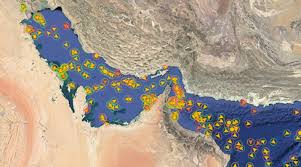
Tensions in the Strait of Hormuz escalated sharply as Iranian authorities attempted to intimidate commercial shipping, first by radio warnings and later through direct attacks, with at least three vessels struck as of March 1.
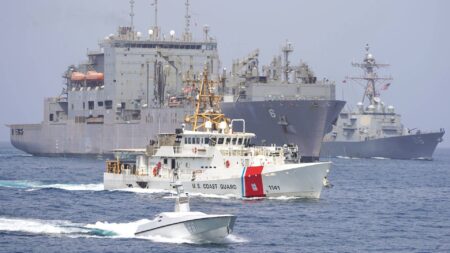
The UK Maritime Trade Operations (UKMTO) centre in Dubai said it received reports at 0700 UTC on February 28 that Iranian authorities were contacting vessels on maritime Channel 16, warning that the strait was closed. UKMTO clarified that such radio calls do not constitute an authorised closure and advised merchant ships to continue transiting via the Traffic Separation Scheme (TSS) while exercising heightened caution and maintaining distance from naval forces providing a protective presence.
Despite the warnings, marine traffic data from Kpler showed heavy eastbound traffic through the strait for much of February 28, although fewer vessels were using the northern inbound lane of the TSS. The situation shifted markedly on March 1, when AIS data indicated the TSS was largely devoid of traffic, with unusual concentrations of ships anchoring off Dubai, Fujairah, Khor Fakkan and Limah, awaiting further instructions.
The most serious incident was confirmed by Oman’s Maritime Security Centre, which reported that the Palau-flagged oil tanker Skylight (IMO 9396737) was struck about five nautical miles off the Musandam Peninsula, well within Oman’s territorial waters. Four crew members were injured, and the Royal Navy of Oman evacuated 20 others from the vessel.
UKMTO later reported two additional incidents, one in the western approaches to the strait near Ras al-Khaimah and another on the eastern approaches around 50 nautical miles north of Muscat. In both cases, the damage sustained did not prevent the vessels from continuing their voyages.
Separately, reports emerged that Oman’s commercial port of Duqm was targeted earlier by two drones. One drone struck an accommodation portacabin, injuring an expatriate worker, while the second fell on open ground without causing damage or casualties. The incident marked a significant blow for Oman, which has long sought to reduce regional tensions through diplomatic engagement and mediation.
The developments have heightened concern across global shipping and energy markets, as the Strait of Hormuz remains a critical artery for international trade and oil flows, with the security situation described by UKMTO as fast-evolving and unpredictable.
Source: The Maritime Executive