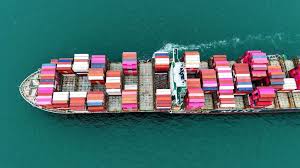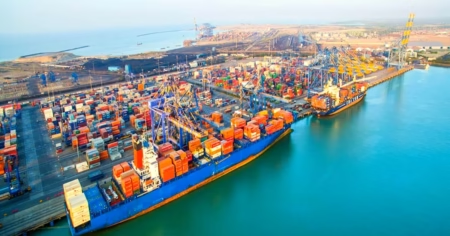




With the Strait of Hormuz shut to commercial shipping for the first time in recorded history, India mobilises across energy, ports and seafarer welfare.
The Government of India convened an inter-ministerial briefing on 12 March 2026, bringing together senior officers from the Ministries of Petroleum and Natural Gas, External Affairs, Ports, Shipping and Waterways, and Information and Broadcasting to address the escalating West Asia crisis and its impact on India’s energy and logistics ecosystem.
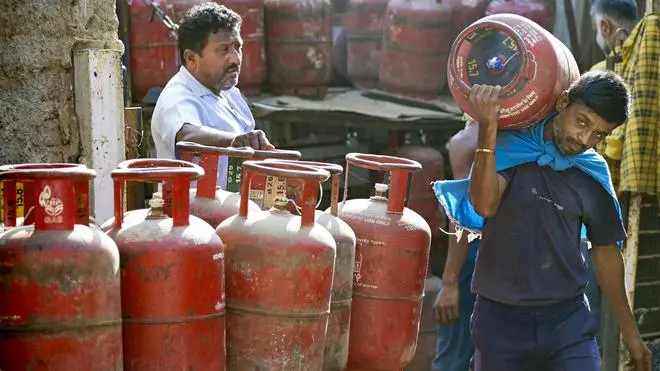
On the energy front, refineries are operating at high capacity utilisation, with several exceeding 100%, as 70% of India’s crude now arrives via alternative routes bypassing the strait. Domestic LPG production has been ramped up by 28% through refinery directives, with over 50 lakh cylinders delivered daily. The government has issued both a Natural Gas Control Order and an LPG Control Order under the Essential Commodities Act to manage supply priorities, and alternate fuels including kerosene, biomass, and coal have been activated for hospitality and industrial consumers.
On the maritime front, 28 Indian-flagged vessels remain operational in the Persian Gulf region, carrying 778 Indian seafarers across both sides of the strait. Port operations across India remain stable, with major ports directed to provide priority berthing for LPG vessels, additional storage space for affected cargo, and dedicated nodal officers as single points of contact for shippers and exporters.
Tragically, three Indian nationals have lost their lives in the conflict, all crew members aboard merchant vessels in the region. One seafarer remains missing. Over two dozen Indians have been injured, with the Indian Embassy actively coordinating repatriation and welfare support.
Source: Press Information Bureau (PIB)