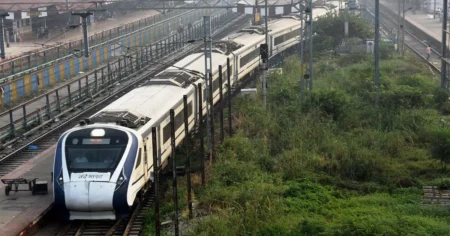




India’s first hydrogen train nears its pilot run in Haryana as the Jind production plant enters its final setup phase.
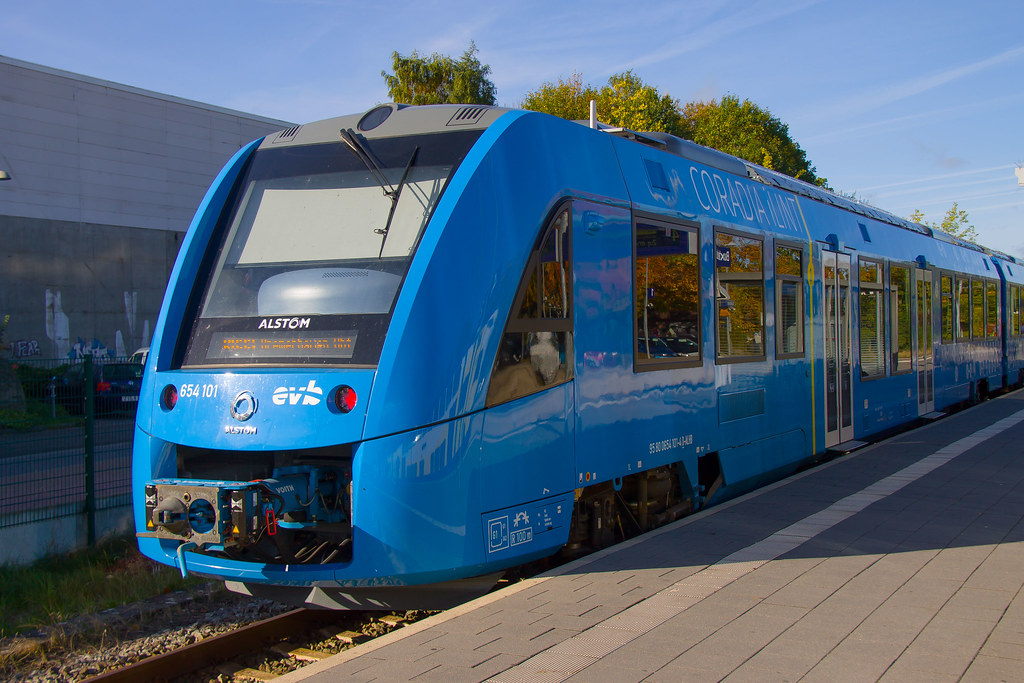
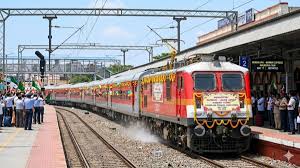
India is nearing the commissioning of its first hydrogen-powered train, with final preparations underway for a pilot operation on the Jind–Sonipat section in Haryana. This project, overseen by Northern Railway, represents a significant step in the transition towards sustainable transport and the integration of green energy into the national rail infrastructure.
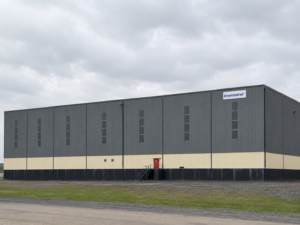
A critical component of this initiative is the completion of a dedicated hydrogen production facility at Jind. This plant, currently in its final commissioning phase, utilises electrolysis to generate fuel and features a storage capacity of 3,000 kg. To maintain operational consistency for the supply chain, a stable 11 kV power supply has been secured, supported by emergency response protocols to prevent any disruptions during the refuelling process.
As noted in a state government statement released on 06 January 2026, officials have been directed to ensure the resilience of the power grid supporting this new energy ecosystem.
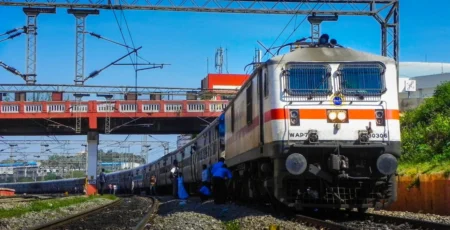
Adhering to the technical standards set by the Research, Design & Standards Organisation, this scheme aims to prove the effectiveness of hydrogen-based power. Although this initial trial focuses on a passenger fleet, the successful rollout of such technology offers an essential framework for the future of sustainable rail freight and logistics operations.
The establishment of hydrogen production hubs at key railway junctions is expected to eventually support the movement of cargo using carbon-neutral locomotives, aligning with the broader goal of decarbonising heavy-duty transport.
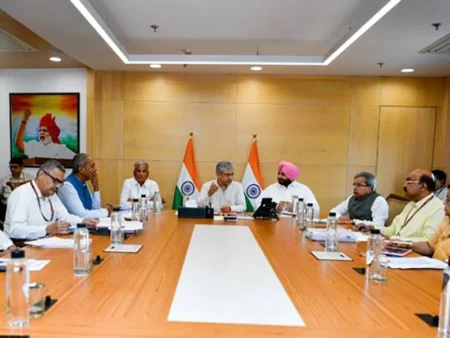
In a communication dated December 2025, the Union Railway Minister, Ashwini Vaishnaw, confirmed that the manufacturing of the hydrogen train-set was complete. The Jind facility is positioned as a primary site for green hydrogen generation, serving as a test case for how alternative fuels can be integrated into the existing rail network.
SOURCE – ET INFRA
By proving the reliability of this technology on the Jind–Sonipat route, the stakeholders are laying the groundwork for a more agile and environmentally responsible national distribution network.