



Prime Minister Narendra Modi appealed to Indian citizens to conserve fuel, use public transport, revive work-from-home practices, and avoid non-essential imports and overseas travel to protect the country’s foreign exchange reserves amid the global economic disruption triggered by the ongoing war in West Asia.
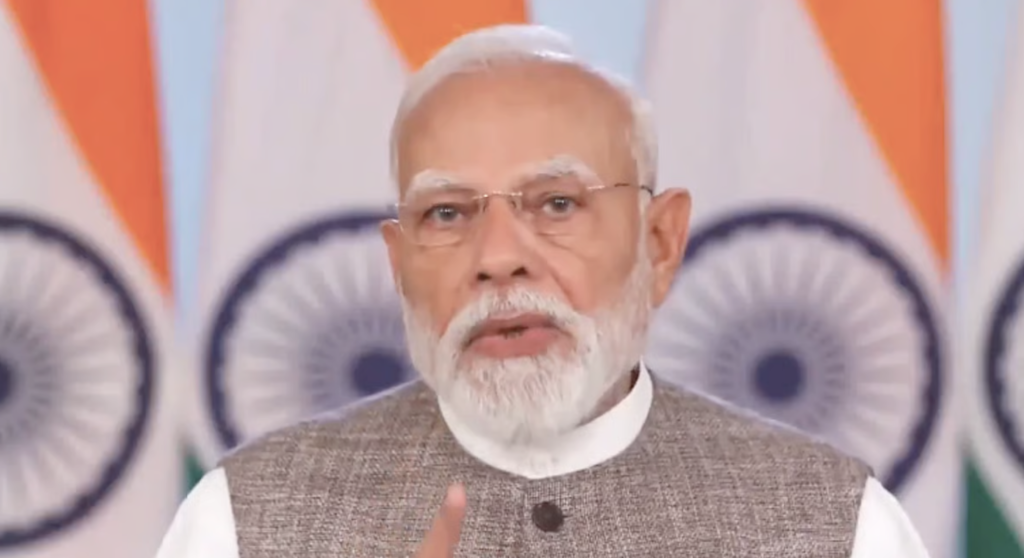
Stressing collective responsibility, Modi said patriotism in difficult times meant acting responsibly and fulfilling one’s duties towards the nation.
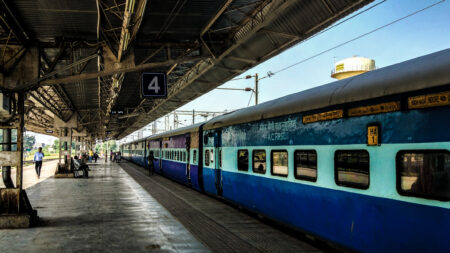
With fuel prices rising sharply across the world, Modi urged greater use of Metro rail, public transport, and car-pooling, while encouraging railways for goods transportation and wider adoption of electric vehicles to reduce dependence on imported fuel. He also called for a revival of pandemic-era work-from-home systems, online meetings, and video conferencing, saying the practices developed during COVID-19 must be restarted in the national interest.
On the consumption front, Modi asked citizens to avoid unnecessary foreign travel, overseas vacations, and destination weddings abroad, encouraging domestic tourism instead. He urged people to refrain from purchasing non-essential gold for a year, prioritise Made-in-India products including daily-use items, and reduce edible oil consumption for both national economic health and personal well-being.
Addressing the agricultural community, Modi called on farmers to reduce chemical fertiliser use by 50%, adopt natural farming, and switch to solar-powered irrigation pumps. He contextualised the appeal within the broader global scenario of compounding supply chain disruptions since COVID-19 and the Ukraine war, noting that the government had been absorbing much of the economic burden including making fertilisers available to farmers at under Rs 300 per bag against a global price of around Rs 3,000.