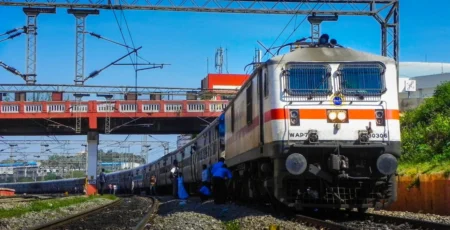




The conversation naturally begins on the factory floor, where Harshkumar Bajpeyee has spent years turning steel, castings and precision components into the fastening systems that keep India’s railways running. His perspective is grounded in operational reality rather than theory, and it sets the tone for everything that follows.

Resilience lies in redesigning operations, not infrastructure.
When Infrastructure Meets Discipline
Bajpeyee points out that a multimodal logistics park located near a manufacturing plant can genuinely transform operations, but only if the manufacturer integrates it deeply into the supply chain. With logistics costs accounting for nearly 13 to 14 percent of India’s GDP, the opportunity is real. For a railway component manufacturer producing track fastening systems, turnout parts and fabricated steel products, the immediate gain would come from consolidating inbound raw materials such as spring steel and castings at the park rather than receiving scattered small deliveries. Outbound dispatch to Indian Railways, Metro projects, DFCCIL and export markets could move through rail linked freight corridors, improving reliability and cutting transit damage. Inventory could shrink safely because replenishment becomes predictable. Yet he is candid that headline figures of 10 to 12 percent cost reduction and 15 to 20 percent inventory reduction often look attractive on paper but require complementary changes within the organization. Without ERP integration, standardised packaging, supplier scheduling, digital inventory management with integrated traceability, and disciplined production planning, the logistics park merely shifts the storage location rather than improving the supply chain.
Compliance As A Design Choice
On the compliance question, Bajpeyee describes a year in which maritime safety rules, customs procedures, environmental reporting, cybersecurity and quality mandates have all landed simultaneously. Each is reasonable on its own, yet their cumulative weight can slow approvals across manufacturers, freight forwarders and customs authorities. The risk emerges, he explains, when a shipment of critical railway components stalls behind sequential document approvals, turning a paperwork issue into a production stoppage. His answer is not fewer rules but digital documentation, automated validation and a risk based framework that reserves scrutiny for genuinely high risk activity.
Warehousing As Strategic Infrastructure
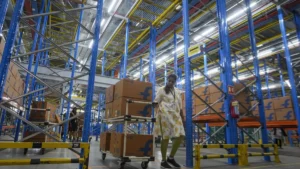
He extends this systems thinking to warehousing itself, arguing that India must move beyond centralised storage near metros toward decentralised, technology enabled hubs serving Tier II and Tier III manufacturing clusters, supported by robotics, IoT tracking and value added services such as kitting and reverse logistics.
The Boardroom Tension
Finally, Bajpeyee addresses a quieter conflict: the pull between short term profitability and investment in higher value manufacturing. Automated production lines for precision components demand upfront capital that briefly dents margins, even though delaying such modernisation erodes future competitiveness. The organisations that win, he says, treat this as a balance rather than a binary choice.