



Aéroport de Lyon DC1 brings WFS’s Lyon cargo operations together at one site beside the runways.
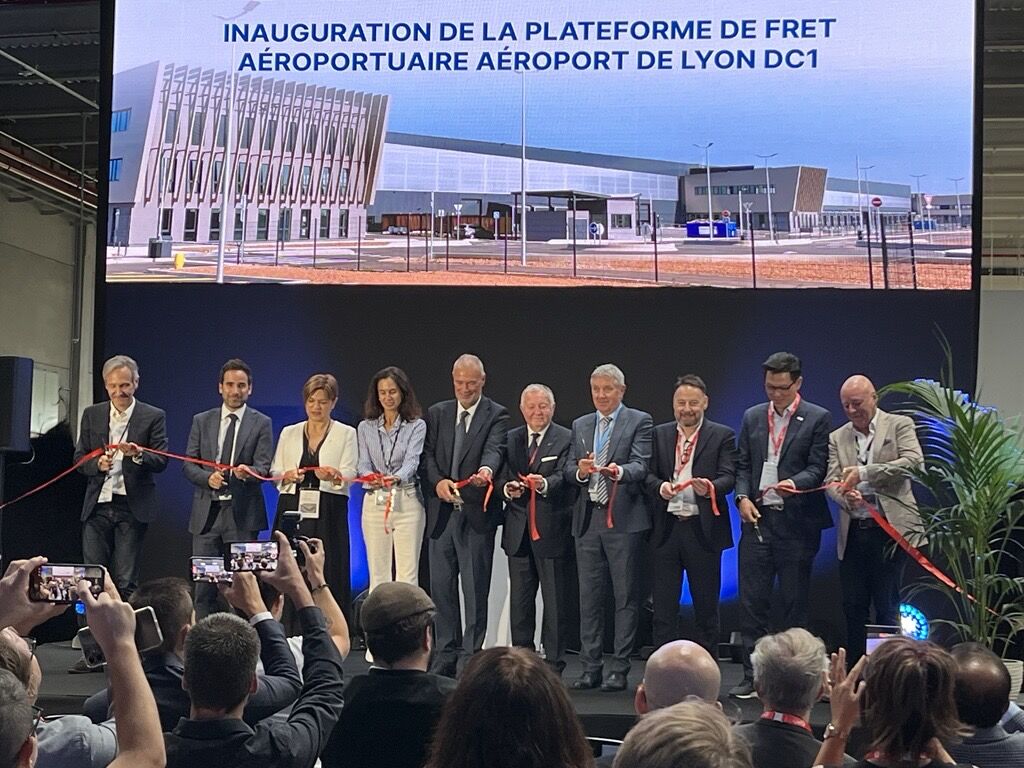
Aéroports de Lyon, Worldwide Flight Services (WFS), Prologis and Groupe em2c have inaugurated a new air cargo facility in the CargoPort zone of Lyon-Saint Exupéry Airport. Named Aéroport de Lyon DC1, it is directly connected to the airfield and brings WFS’s Lyon activities together at a single site. WFS has operated at the airport since 1971 and said the facility will let it serve its 380 customers from one location. WFS has said it will be its second-largest hub in France after Paris Charles de Gaulle. Prologis led the development and is the long-term investor. Groupe em2c handled the design, construction coordination and technical supervision, while Aéroports de Lyon oversaw its integration with CargoPort infrastructure.
The facility offers 25,313 square metres of usable floor area on a 52,000 square metre site. It includes 19,200 square metres of warehouse space across three air cargo handling units, of which 4,400 square metres are cold-storage areas. It has 36 loading doors, including five dedicated to aircraft pallet transfers. The layout is designed to manage cargo flows between landside access points, handling areas and airside operations. WFS said the site is positioned to respond to growth in high-value segments such as pharmaceuticals. The building is targeting BREEAM Very Good certification. Prologis has said the project is expected to generate more than 300 direct and indirect jobs.
Laurent Bernard, Vice-President of WFS France, described the facility as a new chapter for WFS in Lyon. Vincent Sadé of Prologis said the company designed infrastructure integrated into customers’ operations. Yvan Patet, President of Groupe em2c, said the project reflects a shared vision among regional and international partners. Aéroport de Lyon DC1 is the latest new-build cargo terminal in the combined SATS and WFS network, which operates over 215 stations in 27 countries. WFS has said these cover trade routes responsible for more than 50 per cent of global air cargo volume.