

Union Minister, Shri Piyush Goyal has called for a focused nationwide effort to maximise the utilisation of India’s Free Trade Agreements, targeting USD 1 trillion in exports for the current year.
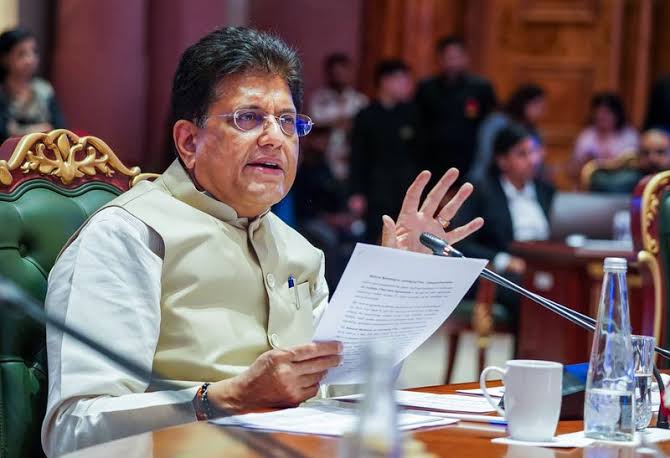
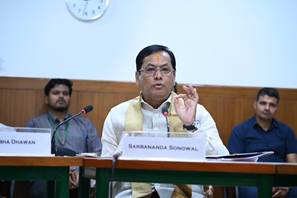
Union Minister of Commerce and Industry, Shri Piyush Goyal addressed the National Workshop on “Leveraging FTAs: An Outreach Programme” in New Delhi, calling for a concerted effort to translate India’s expanding network of Free Trade Agreements into greater export opportunities for businesses across the country, particularly MSMEs and first-time exporters. Goyal said India’s nine FTAs, spanning economies representing approximately USD 60 trillion of GDP, would provide preferential access to nearly two-thirds of global trade. He added that additional FTAs under negotiation with Canada, Mexico, Chile, Mercosur, SACU, GCC and Israel, along with efforts to review existing agreements with ASEAN, Korea and Japan, would give India access to 75 per cent of global trade at rates lower than those of its competitors. The India-UK FTA went live on July 15, with Mauritius, Oman, UAE and Australia also already operational, while EFTA and New Zealand were expected to follow shortly.
Goyal said India had set a USD 1 trillion export target for the current year, representing approximately 16 per cent growth, with exports during the first four months reaching approximately USD 317 billion compared with USD 280 billion during the same period last year. He also reaffirmed the USD 2 trillion export target by 2030, acknowledging that India had faced COVID, two wars and several challenges but urging that efforts remain focused. The workshop brought together senior officials from the Central Government, states and Union Territories, Export Promotion Councils and industry associations. Goyal called on states to identify products and clusters where FTA benefits remained underutilised, urged Export Promotion Councils to set more ambitious targets and disseminate information to members in local languages and called for sector and cluster-wise workshops with fast-response facilitation mechanisms at the district and state level.
Source: Press Information Bureau