



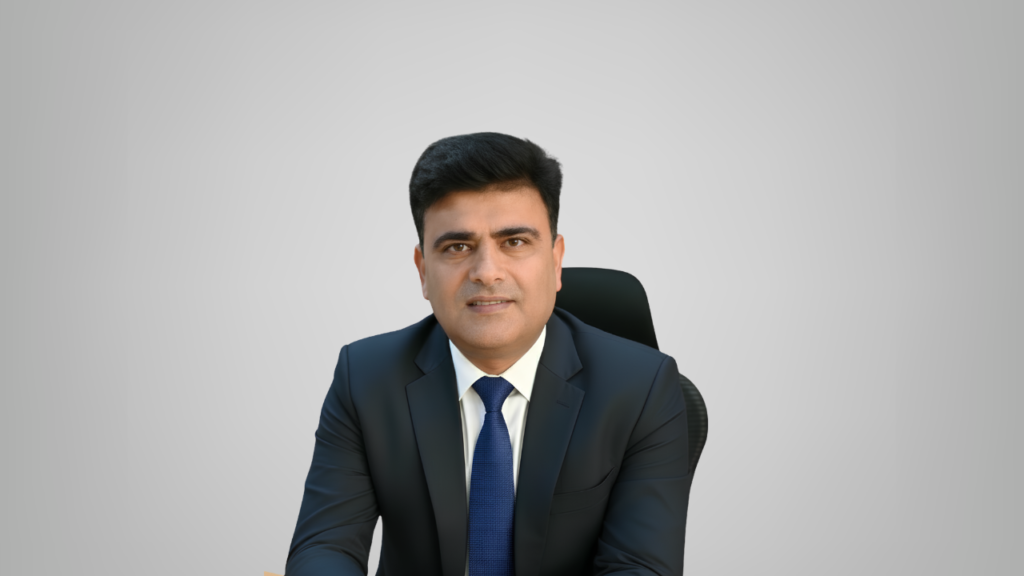
If Jha frames the challenge in terms of ownership of intelligence, Hitendra Mankani, Regional Director, MEIA Region, Samsung SDS overseeing the Middle East, India and Africa region for Samsung SDS, brings a global logistics operator’s view of how that intelligence gets deployed at scale across supply networks under pressure.
Smart compliance turns burden into lasting advantage.
Compliance As Strategy, Not Back Office Work
Mankani echoes the sense that global supply chains have absorbed a growing list of obligations over the past year, from revised SOLAS reporting to evolving customs rules, sustainability disclosures, cybersecurity standards, trade screening and free trade agreement requirements. Compliance, he says, is no longer a back office function but an integral part of supply chain strategy. It becomes a resilience risk specifically when organisations manage it through fragmented processes and manual documentation, since every additional regulation introduces a fresh point of delay or error. His prescription mirrors Bajpeyee’s: not fewer regulations but smarter ones, delivered through digital platforms, standardised data and real time visibility that convert compliance into competitive strength rather than administrative drag.
Designing For Disruption, Not Reacting To It
On geopolitical disruption, Mankani is direct that the Red Sea, Strait of Hormuz and shifting trade and tariff policies have reinforced a single lesson: supply chains optimised solely for cost are no longer sufficient. Leading manufacturers are diversifying sourcing locations, adopting multi port and multi carrier strategies, regionalising inventory and strengthening contingency planning. He places particular weight on end to end visibility, noting that organisations running digital control towers and predictive analytics have been able to reroute shipments and rebalance inventory far more effectively than those relying on traditional planning.
The Minerals Question
On critical minerals, Mankani links India’s ambitions in electric vehicles, electronics, semiconductors and renewable energy directly to reliable mineral access, warning that import dependence creates both cost volatility and geopolitical exposure. He welcomes India’s progress through overseas partnerships, domestic exploration and recycling, while stressing that long term resilience needs diversified sourcing geographies, circular economy investment and strategic reserves, alongside supply chain visibility that flags risk before it disrupts production.
Building An Ecosystem, Not Just A Base
Confronted with the same MSME imbalance that troubles his peers, Mankani says he would build a supplier ecosystem rather than a simple supplier base, balancing global suppliers with capable regional MSMEs while investing in their digital capabilities and quality systems. Supplier development, he insists, should be treated as a strategic investment rather than a procurement exercise, built on transparency, collaborative planning and multi tier visibility from day one.