



Peace talks between Iran, the United States, and Israel have hit a critical snag. Tehran is demanding the right to charge ships for passage through the Strait of Hormuz, a precondition that directly challenges centuries-old maritime law and has already drawn a firm rejection from President Donald Trump. The world’s energy markets are watching closely.
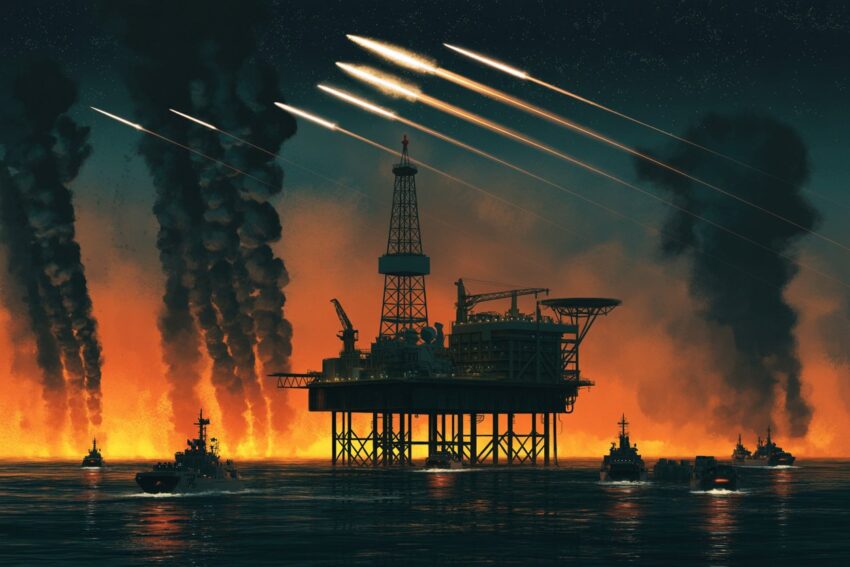
As ceasefire negotiations between Iran, the United States, and Israel continue, Tehran has introduced a contentious precondition: the right to collect tolls from ships passing through the Strait of Hormuz before it agrees to reopen the waterway. The strait serves as the transit corridor for nearly 20% of the world’s oil supply, and its continued closure since the war began on February 28 has sent energy and fertiliser prices sharply higher while threatening broader global economic growth.
Iran’s 10-point peace proposal includes a provision allowing it and Oman to levy charges on vessels transiting the strait, with Tehran indicating the funds would be directed toward reconstruction efforts. However, the demand has met with firm opposition. The White House confirmed on Wednesday that President Donald Trump, who has made reopening the strait, a stated priority is against any toll arrangement.
Experts warn that the proposal directly conflicts with international maritime law. Article 17 of the United Nations Convention on the Law of the Sea in effect since 1994 guarantees the right of innocent passage to all vessels. Granting Iran and Oman authority to charge for transit would set a precedent that undermines a principle upheld for centuries: that the world’s seas belong to no single nation.
Since the strait’s closure, ships have been rerouted away from its central corridor through Iranian and Omani territorial waters and directed around Iran’s Larak Island. The disruption has already triggered energy shortages in parts of Asia and driven up fuel prices across the United States and Europe.
Source: Times of India