



Annual induction of 100 aircraft to surge India’s belly cargo capacity, supporting global export hubs and e-commerce.
India is set to witness a massive expansion of its aviation sector, with domestic carriers expected to induct approximately 100 aircraft every year for the next 15 years. Union Aviation Minister Ram Mohan Naidu announced this strategic growth plan during a visit to Bhogapuram Airport, following the successful landing of its first commercial validation flight on 04 January 2026.
The Minister highlighted that the current fleet of 843 aircraft will grow significantly to meet the demands of a rapidly expanding airport network. In the 2025 calendar year, Indian airlines added 80 planes, and this figure is projected to rise to 106 inductions in 2026. Large-scale orders from the Air India Group, IndiGo, and Akasa Air are the primary drivers of this decade-long expansion.
This fleet expansion is expected to have a transformative effect on India’s EXIM logistics:
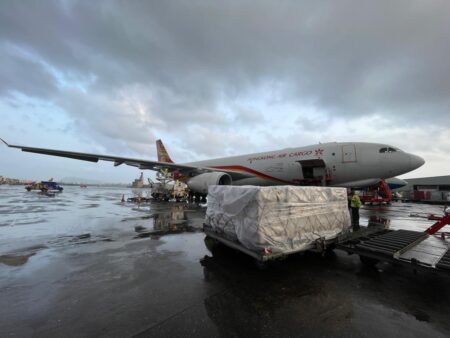
- Belly cargo surge: The addition of 100 planes annually, particularly wide-body aircraft, will vastly increase the “belly capacity” available for freight. Air India alone aims to increase its annual cargo capacity by 300% to 2 million tonnes over the coming years.
- Direct export routes: By focusing on direct flights between Indian hubs and international destinations, the government aims to reduce reliance on transshipment hubs like Dubai or Singapore. This will provide faster, more cost-effective transit for high-value exports like pharmaceuticals and electronics.
- Manufacturing support: The Minister noted that this increased connectivity is designed to complement India’s growing manufacturing sector, allowing for more efficient “just-in-time” supply chains for global markets.
- Hub strategy: The development of “mega hubs” in cities like Delhi, Mumbai, and Bengaluru will streamline transshipment efficiency, positioning India as a primary global gateway for air freight between the Global South and the rest of the world.
The government’s vision is to increase India’s total air cargo handling to 10 million tonnes by 2030, supported by a new airport or capacity expansion occurring roughly every 45 days.
SOURCE – TIMES OF INDIA