


US pressure cuts Russian oil flows to India. However, deep discounts and new workarounds suggest the vital trade will soon rebound.
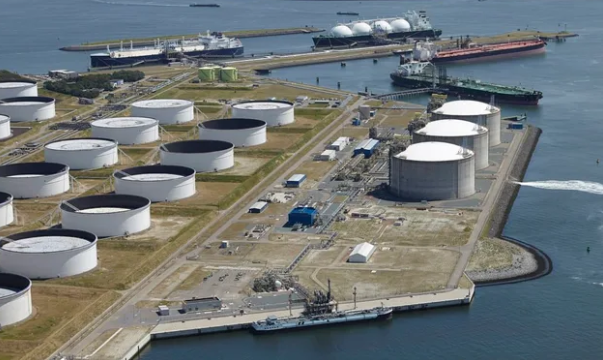
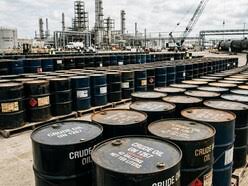
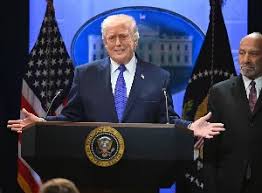
India’s significant imports of Russian petroleum are expected to drop precipitously to almost a four-year low in early 2026. India became the largest customer of seaborne Russian crude after months of buying it at steep discounts due to Western restrictions; imports peaked in June 2025 at close to 2.1 million barrels per day. However, anticipated imports for January 2026 may fall to about 600,000 barrels per day due to a vigorous US campaign that includes a 50% tax and sanctions on big producers like Rosneft and Lukoil. In order to avoid possible US sanctions, Indian state refiners including Mangalore Refinery and Petrochemicals and HPCL-Mittal Energy have ceased or drastically reduced acquisitions.
The long-term prospects for this crucial energy trade are still favourable despite the current pressure. Moscow and Delhi are actively looking for solutions, so the decline in volumes is unlikely to be long-lasting. Vladimir Putin, the president of Russia, has promised India “uninterrupted shipments of fuel” while in Delhi. The ongoing flow of oil has been made possible by the emergence of a wave of new, unapproved trading intermediaries. Volumes are anticipated to increase as a result of these new players as well as the powerful financial incentive of cheap Russian oil. Analysts predict that in order to strike a balance between geopolitical concerns and the demand for reasonably priced energy, Indian refiners would increasingly employ innovative routes, such as “shadow carriers” and “ship to ship” transfers.
The sluggish development on a comprehensive trade agreement between the US and India, which minimises the need for Delhi to completely comply with Washington’s demands, further supports the trade’s flexibility. The financial advantages of preserving the Russian trade grow stronger as Indian refiners are compelled to switch from Russian barrels to more costly Middle Eastern grades and increase purchases from the US. The degree of the recovery will ultimately depend on how these supply chain workarounds continue to develop and how ready big purchasers like Reliance Industries, a significant prior buyer with term agreements, are to negotiate the new sanction environment. Traders generally agree that India will continue to find a market for the drastically discounted Russian crude.
SOURCE – BUSINESS STANDARD