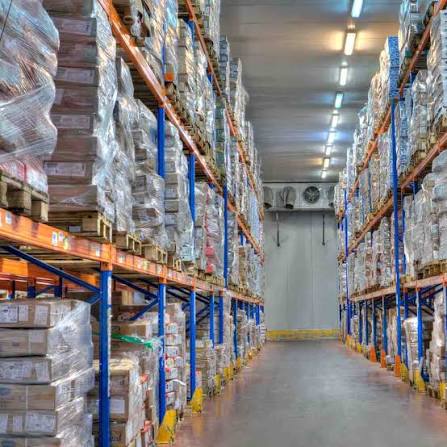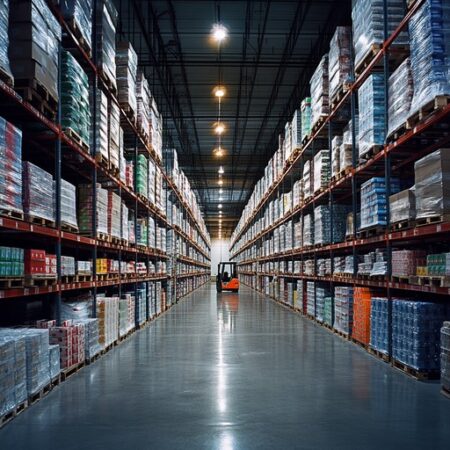





Modern warehouses are evolving beyond storage into intelligent distribution hubs that drive speed, visibility and resilience across supply chains. Powered by technology, connectivity and strategic location planning, they are becoming critical enablers of India’s logistics transformation.

From Storage to Strategy
A decade ago, warehousing in India was largely about storage. Vikas Yadav, Director at Future Warehousing Solutions, has watched that definition change completely. Customers now expect faster deliveries, manufacturers demand real-time inventory visibility and businesses are focused on building resilience against disruptions. This is driving warehouses to evolve from passive storage facilities into integrated distribution and fulfilment centres that are active participants in supply chain strategy rather than endpoints within it.
Location thinking has shifted accordingly. Occupiers are no longer evaluating warehouses purely on rental cost. Connectivity to highways, freight corridors, inland container depots, airports and consumption centres has become a primary decision criterion because in a time-sensitive supply chain, the ability to move goods efficiently matters as much as the ability to store them.
Intelligence Inside the Warehouse
Technology is rapidly becoming non-negotiable across modern warehousing operations. Businesses today require real-time inventory visibility whether goods are in storage, in transit or awaiting dispatch. Warehouse management systems and digital tracking platforms provide that visibility, enabling faster and better-informed decisions at every stage of the distribution cycle. Automation across sorting, barcode scanning and inventory management reduces errors, improves throughput and optimises resources, but Yadav is clear that technology alone is not the answer. The most efficient warehouses combine smart systems with skilled manpower and well-designed infrastructure, because without all three working together, even the best platform will underdeliver.
Logistics Corridors Driving the Next Wave
The next phase of warehousing growth in India, in Yadav’s assessment, will be closely tied to logistics corridors and multimodal infrastructure. Future demand will gravitate towards locations offering superior connectivity, faster cargo movement and lower overall supply chain costs rather than simply the availability of land, creating integrated logistics ecosystems rather than standalone warehouse developments.
As the conversation moves from land to intelligence, the next voice in this feature brings a perspective from a part of the logistics chain where the pressure of time is most acutely felt.