

India’s road logistics sector is being reshaped by rising expectations for speed, visibility and reliability, with technology becoming the backbone of modern freight movement. As digital tools and multimodal infrastructure transform operations, surface transport is evolving into a faster, smarter and more integrated logistics network.

From Cost-First to Service-First
The shift happening across Indian road logistics is fundamental. Dileepa B.M., Chief Executive Officer of Bonded Trucking at Shreeji Translogistics, describes a market that has moved decisively from cost-first to service-first, where customers now expect the same speed and visibility for B2B cargo that e-commerce has conditioned them to expect for consumer deliveries. Dedicated express lanes, hub-and-spoke models targeting 24 to 48-hour turnaround times, SLA-backed reliability with real-time proof-of-delivery uploads and technology-enabled tracking through GPS, SIM-based systems and customer dashboards are no longer differentiators. They are the baseline. Same-day and next-day delivery, once the preserve of e-commerce, is expanding rapidly into automotive, pharmaceutical and FMCG distribution.
The Digital Nerve Centre
Digital tools have become the operational core of modern surface logistics. IoT sensors, GPS and transport management systems provide end-to-end shipment visibility including temperature monitoring for cold chain and electronic lock alerts that are cutting theft and pilferage meaningfully. AI-driven route optimisation tools factor live traffic, road closures, regulatory constraints and fuel stops to reduce transit time and fuel cost by 8 to 12 per cent. Fleet management systems monitoring driver behaviour, predictive maintenance and load utilisation are reducing breakdowns by 30 per cent and improving truck turnaround. The integration of electronic proof of delivery, e-way bill and FASTag has compressed checkpoint detention from hours to minutes.
Infrastructure Rewiring the Network
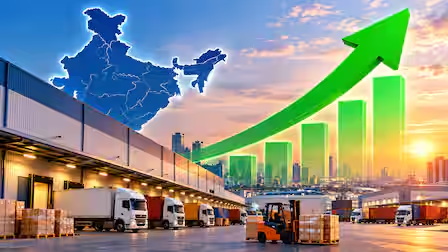
PM Gati Shakti, Dedicated Freight Corridors and Multimodal Logistics Parks are fundamentally rewiring surface transport. Dileepa sees trucks shifting from long 1,000-kilometre hauls to shorter, high-frequency feeder runs between factories and rail or MMLP hubs. Done right, multimodal integration can reduce India’s logistics costs from 13 to 14 per cent of GDP to 8 to 9 per cent and transform surface transport into something resembling a scheduled airline service with fixed departures and assured capacity.
The challenge, as he sees it, is time. Driver shortages, fragmented fleet ownership across small operators and the 3 to 5-year lag before infrastructure upgrades deliver pan-India impact remain real friction points in an industry moving faster than some of its foundations can support.