



India organises a special event on World Environment Day at WTO Trade and Environment Week 2026 in Geneva, showcasing its Carbon Credit Trading Scheme and renewable energy standards.
India organised a special event titled “Showcase of India’s Carbon Credit Trading Scheme and Standardization in Renewable Energy” during the WTO Trade and Environment Week 2026 in Geneva on June 5, 2026, coinciding with World Environment Day.
The event featured presentations by senior officials and experts from the Ministry of Environment, Forest and Climate Change (MoEFCC), the Bureau of Energy Efficiency (BEE), the Ministry of Power and the Ministry of New and Renewable Energy (MNRE). India highlighted its achievements under its Nationally Determined Contributions (NDCs) under the Paris Agreement, noting that as of March 2026, non-fossil fuel-based installed electricity generation capacity had reached 53.21% against the target of 50% by 2030, achieving the target nearly five years ahead of schedule.
India’s emissions intensity of GDP also declined by 37.38% between 2005 and 2022, surpassing the NDC target of a 33-35% reduction by 2030 well ahead of the stipulated timeline. India’s national framework for the Indian Carbon Market, developed under the Carbon Credit Trading Scheme (CCTS), aims to establish a national electronic carbon credit trading platform and utilise market-based instruments to incentivise greenhouse gas emission reduction activities.
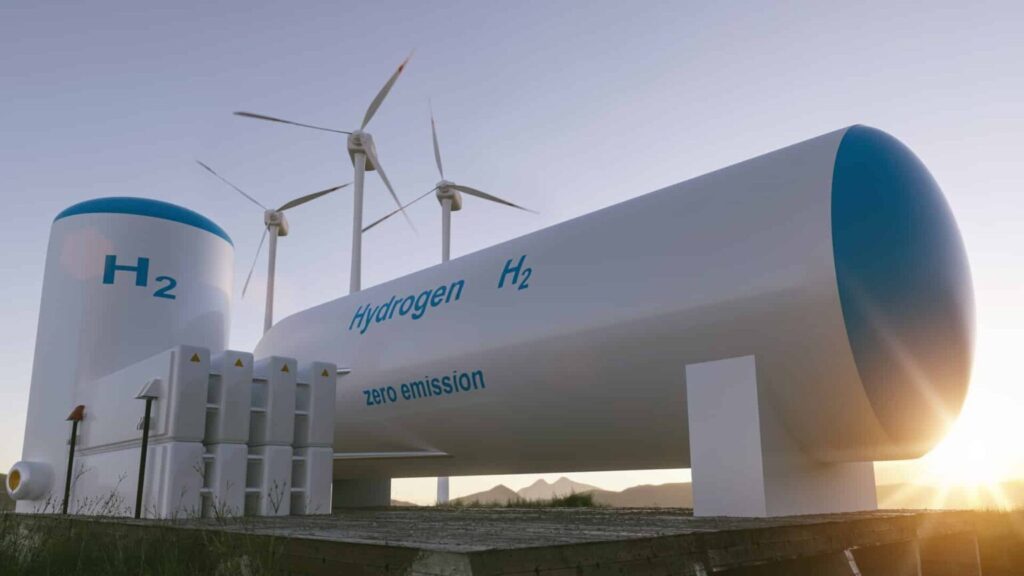
Progress under the National Green Hydrogen Mission was also presented, including the emission thresholds and technical criteria notified for classifying hydrogen as Green Hydrogen, aimed at providing transparency and credibility for producers, investors and consumers while supporting the development of a robust green hydrogen ecosystem. On June 2, 2026, delegations of India and Japan held discussions at the WTO Trade and Environment Week on transparency and unilateral trade-restrictive measures, focusing on how trade and climate-related measures may create unnecessary obstacles to international trade and examining practical challenges faced by governments and stakeholders with limited capacities in complying with such measures.
India’s participation underscored its position that economic growth, energy access and environmental sustainability can be advanced simultaneously through appropriate policy frameworks and technological innovation, consistent with the principles of equity, Common but Differentiated Responsibilities and Respective Capabilities (CBDR-RC).Source: Press Information Bureau (PIB)