

B&H Worldwide has integrated AI-powered tyre scanning technology into its FirstTRAC platform at its New Zealand operations, replacing manual data entry with a mobile-based system using computer vision and OCR.

B&H Worldwide, a specialist in aerospace logistics, has deployed artificial intelligence-driven tyre scanning technology at its New Zealand operations — a move that has delivered measurable gains in accuracy, speed and traceability across all of its operations
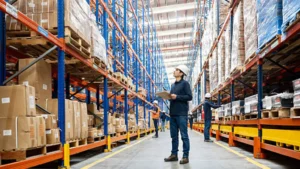
The technology, embedded within the company’s proprietary FirstTRAC warehouse management platform, replaces traditional manual data entry with a mobile-based scanning system powered by computer vision and Optical Character Recognition (OCR). Staff can now use smartphones or tablets to read both standard barcodes and complex tyre serial numbers directly from the sidewall, eliminating any delays as well as inaccuracies, long associated with manual logging.
The operational impact has been swift. Average inventory handling time per unit has dropped from four minutes to just one, representing a 60% improvement in processing efficiency. Error rates have declined by 80–90%, with data accuracy now exceeding 99%. Overall unit throughput per hour has risen by approximately 30%.
The pilot site was launched in response to B&H Worldwide’s internal continuous improvement programme. The system ensures 100% stock integrity for used tyre casing movements and generates a digital audit trail that directly supports regulatory compliance, a growing priority as aerospace supply chains face increasingly stringent oversight.
Lee Hedges, Branch Manager of B&H Worldwide New Zealand, described the rollout as a meaningful shift in how high-value, safety-critical inventory is handled, noting that customers now benefit from greater visibility, faster reporting, and stronger confidence in the integrity of their stock.
With the New Zealand pilot now serving as the implementation blueprint, Melbourne, Australia has been designated as the next site for deployment. The broader rollout also supports the company’s sustainability objectives by reducing paper-based processes and minimising the environmental footprint associated with logistical rework.