




Budget 2026 is expected to prioritise maritime infrastructure and logistics to secure India’s global supply chains.
As global trade dynamics shift due to geopolitical tensions and tariff disputes, the upcoming Union Budget 2026–27 is expected to position the shipping and ports sector as a primary engine for national economic growth.
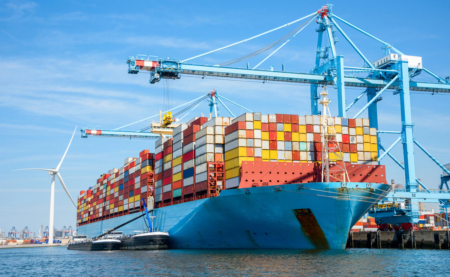
The analysis highlights that nearly 95 per cent of India’s trade volume moves via sea, making maritime capacity a foundational element of economic power. A significant focus remains on the development of the Vizhinjam International Seaport in Kerala, India’s first deep-water transhipment hub, which is designed to reclaim cargo that traditionally bypassed the nation in favour of hubs like Singapore or Dubai.
Strategic initiatives such as the Sagarmala 2.0 programme are anticipated to receive renewed momentum. This phase will likely transition from mere capacity expansion to port-led industrialisation and enhanced multimodal connectivity. Furthermore, the National Logistics Policy continues to target the reduction of logistics costs as a percentage of gross domestic product, with coastal shipping identified as a critical lever.
On the shipbuilding front, the government has already approved a 69,725 crore rupee package to transform India into a top-five shipbuilding nation by 2047. The establishment of Bharat Container Line, a national container shipping carrier, is also being advanced to de-risk overseas trade and secure domestic logistics supply chains.
Analysts suggest that Budget 2026–27 may introduce long-term, low-cost financing for maritime projects and further incentives for port-centric manufacturing clusters to bolster export competitiveness.
SOURCE – THE ECONOMIC TIMES