



The United States and India have reached a significant trade understanding that lowers US tariffs on Indian exports to 18%, removing punitive duties and signalling a recalibration of bilateral trade at a time of global supply chain realignment.
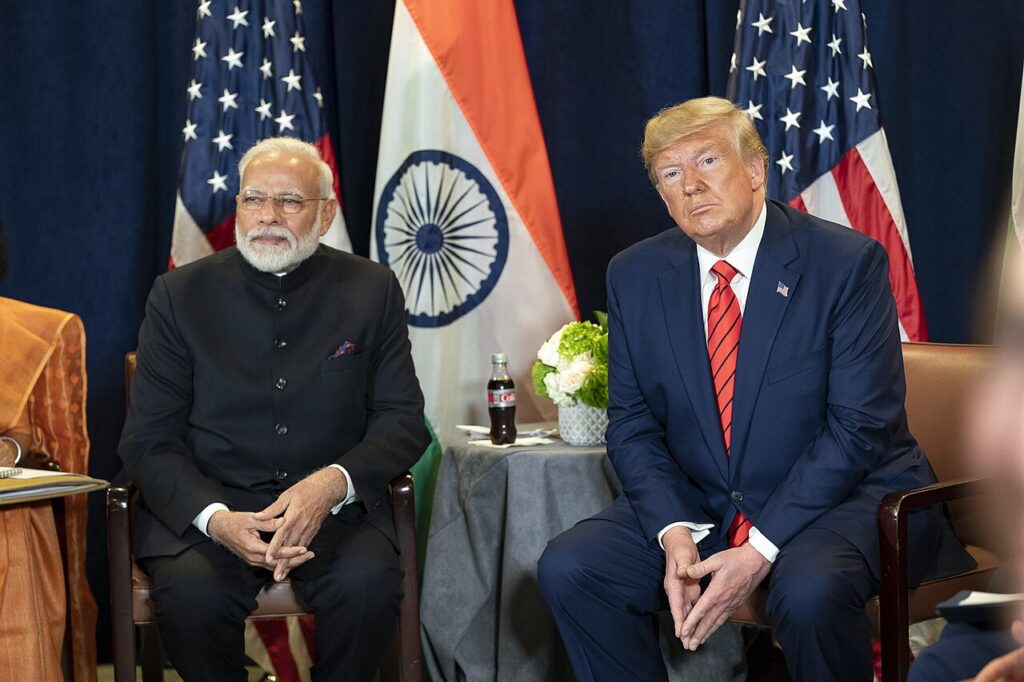
The governments of India and United States have announced a significant development in long-running trade negotiations that reduces US tariffs on Indian exports to about 18 percent from higher levels previously in place. This adjustment comes after a phone call between Prime Minister Narendra Modi and President Donald Trump, and reflects a mutual desire to ease trade tensions that escalated in 2025.
According to Reuters and other news outlets, the US reduction reflects the removal of an additional punitive tariff that had been imposed last year, leaving the effective tariff on most Indian goods entering the US at roughly 18 percent. Many reports described this as a drop from previously reported combined rates that could reach 50 percent on some products after stacking reciprocal and penalty duties.
In statements circulating on social media and quoted by several international news agencies, President Trump described India’s commitments in broader terms, including plans to halt imports of Russian oil and to increase purchases of US products such as energy and technology. Some observers read these pledges as part of the political framing of the deal in advance of formal texts.
Questions have circulated in public discourse about whether India will now charge zero tariffs on US imports. There are reports citing remarks by Trump and think-tank commentary suggesting that India has offered to reduce tariffs on many US goods to zero. These remarks are rooted in discussions over tariff liberalization proposals that have been part of the negotiating history between the two countries over the past year, including comments made by President Trump in 2025 referring to India’s willingness to cut tariffs to “nothing” in principle.
However, no comprehensive, legally binding tariff schedule has been released that confirms uniformly zero percent tariffs on all US exports to India. Trade analysts caution that these references reflect negotiating positions or political statements rather than formally implemented tariff rates. Final decisions on which specific products and sectors might see tariff elimination, and over what timeline, remain subject to formal negotiation and publication.
Financial markets reacted positively to the tariff announcement, with Indian share indices and the rupee strengthening amid optimism that the trade development could energize exporters and ease strain from last year’s tariff escalation.
Industry associations in both countries have welcomed the reduction in trade tensions, while urging clarity from official trade authorities on the details of tariff schedules and implementation procedures, including customs notifications and regulatory guidance.
This India–US trade development occurs against a backdrop of other major trade initiatives by India, including a recently concluded free trade agreement with the European Union, which also aims to liberalize tariffs across a broad range of goods and services.
SOURCE- Reuters