



The Union Cabinet approves a revised Captive Policy on July 31, 2026, updating the 2016 framework to allow concession renewals of up to 30 years, competitive capacity expansion with Right of First Refusal and direct waterfront access for government entities at major ports.
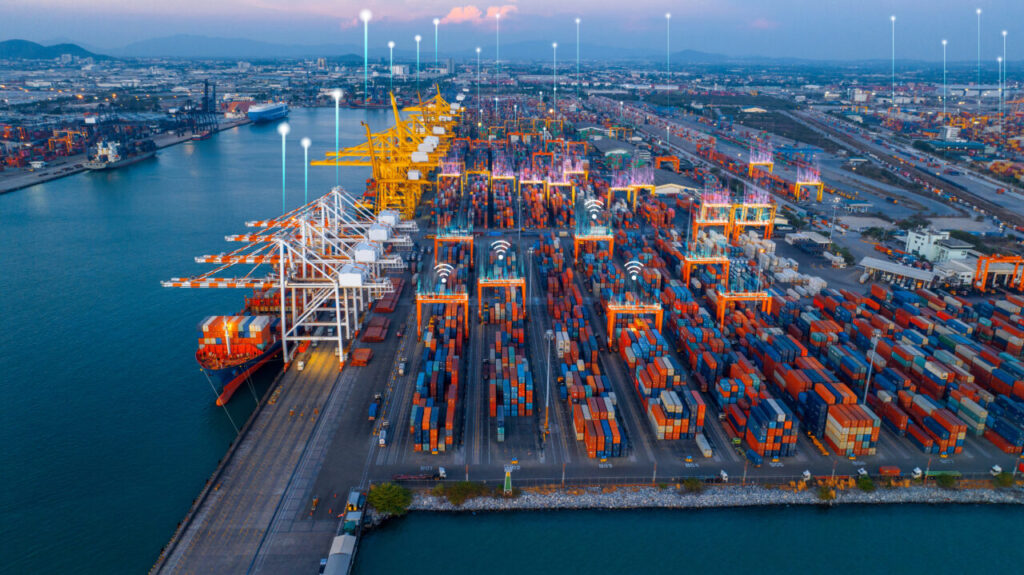
The Union Cabinet approved a revised Policy for Award of Waterfront and Associated Land to Port Dependent Industries (PDI) on July 31, 2026, updating the existing Captive Policy of 2016 with reforms aimed at accelerating private investment through the Public Private Partnership model, improving operational flexibility and strengthening infrastructure development across India’s major ports. The revised policy enables existing captive users to expand capacity through new berths, jetties, terminals and single buoy moorings (SBMs), provides a framework for extending concession agreements, allows direct waterfront access for eligible government entities and introduces provisions for Change in Law and Unforeseen Events. One of the key reforms allows Major Port Authorities to renew or extend concession agreements of existing PDIs for up to 30 years without a fresh tender process, at either the prevailing market rate or the indexed revenue payable under the existing concession agreement, whichever is higher. The policy also creates a structured mechanism for capacity expansion, under which Major Port Authorities will undertake price discovery through competitive bidding while providing the existing concessionaire a Right of First Refusal (RoFR) to match the highest bid. Participation will be restricted to eligible PDIs handling the same cargo profile. The concession period for any additional berth or terminal developed under the expansion route will remain co-terminus with the maximum permissible concession period of the existing facility to prevent misuse.
For the first time, the revised policy provides a framework for awarding waterfront and associated land to eligible government organisations without competitive bidding, subject to availability and prescribed safeguards. Eligible entities include Central and State Government departments, statutory authorities, autonomous bodies, Central and State Public Sector Undertakings and government-controlled joint ventures operating in sectors including fertilisers, food, petroleum, oil and gas, coal and steel. Concessions will be awarded at the notified floor price. The policy also permits changes in cargo profile after the prescribed lock-in period, or immediately where necessitated by a change in law. Sarbananda Sonowal, Union Minister for Ports, Shipping and Waterways, said the revised policy “balances investor confidence with public interest” by providing long-term certainty to existing operators, facilitating capacity expansion and creating a transparent framework for future investments. The policy carries no financial implication for the Government of India and will be implemented across all major ports.
Source: Press Information Bureau (PIB)