




Availability, not speed, defines aftermarket customer trust
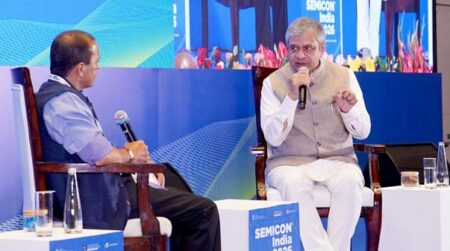
Few segments illustrate that long tail of customer need, or the case for moving smarter rather than simply faster, better than automotive aftermarket logistics, where Raja Kumar, Head, Logistics (Aftermarket), Endurance Technologies has watched AI led forecasting and real time shipment visibility move decisively beyond experimentation. Data driven forecasting now shapes how his team understands demand patterns, variability and inventory requirements, moving away from reliance on historical averages and instinct alone, while live shipment tracking has transformed a logistics team’s daily question from asking where a consignment is to proactively managing exceptions. His broader conclusion is a useful corrective to technology led enthusiasm elsewhere in the industry: value is created when technology improves an everyday decision, and artificial intelligence succeeds not by replacing the planner but by making that planner faster, better informed and more proactive.
Availability as the Real Customer Experience
Kumar’s account of upstream expectation is distinctive because of what availability means in the aftermarket context. A customer may need a specific part years after purchasing a vehicle, so the challenge is not delivery speed alone but ensuring the right part exists at the right location when it is eventually required, a promise that ultimately shapes inventory positioning, packaging and even warehouse design long before an order is placed. Packaging itself, he notes, is evolving from a purely protective function towards being logistics friendly, cost efficient and increasingly sustainable, evidence that customer experience is owned much earlier in the chain than sales or last mile delivery alone.
Segmented Resilience, Smarter Networks
On resilience, Kumar reframes the conversation away from how lean an operation can become towards where it must remain lean and where it needs intelligent buffers, arguing that not every stock keeping unit or supply risk warrants the same inventory strategy, and that decisions should weigh demand variability, supplier reliability, lead time and alternate sourcing options rather than defaulting to blanket safety stock. Looking towards the network of the future, he would design around data and customer demand rather than organisational boundaries, with inventory dynamically positioned near demand clusters and supported by smaller, smarter, more connected warehouses. The winning network of the next decade, in his assessment, will be the one that senses change early, decides quickly and continuously repositions itself around the customer, a conclusion that, remarkably, every leader in this feature arrives at from an entirely different starting point.