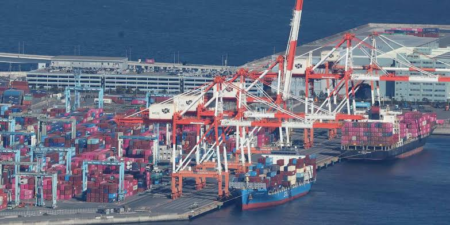



China’s trade growth held up better than expected in May, with overall exports rising 19.4 per cent year-on-year in US dollar terms, accelerating from the 14.1 per cent gain recorded in April and beating economists’ forecast of 15 per cent growth.
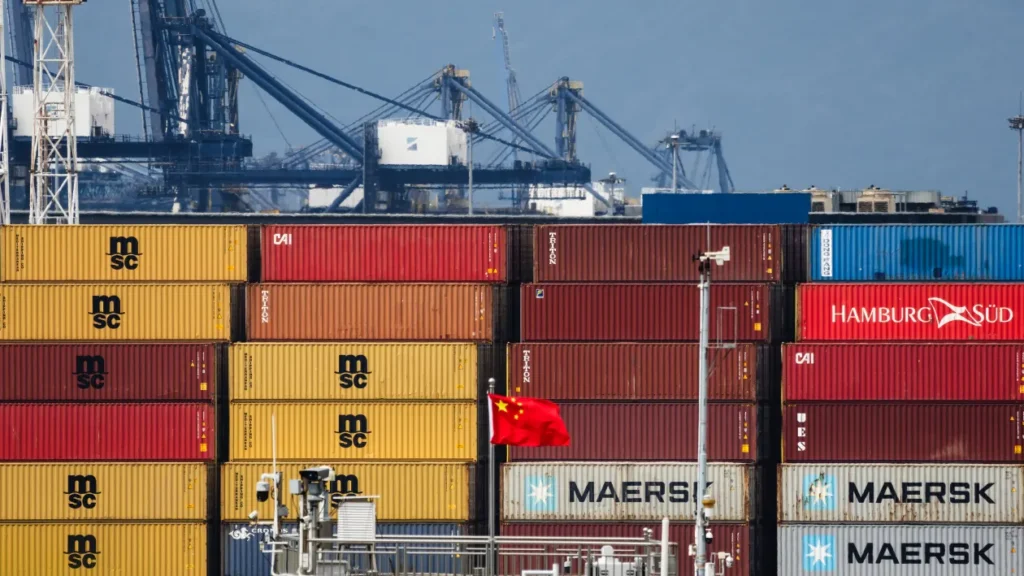
The strong performance was driven by surging demand for AI-related technology goods, electric vehicles, batteries and solar products, which helped buffer China’s economy against disruption from the Iran war. Sheana Yue, Senior Economist at Oxford Economics, said the war is boosting demand for green exports and that outperformance in high-tech product export growth is expected to persist.
Import growth also accelerated, expanding 27.4 per cent in May compared with 25.3 per cent in April, beating the forecast of 25 per cent growth. The trade surplus widened to $105.4 billion in May, the largest since January, driven largely by higher input costs concentrated in semiconductor chips and gold.
Despite soaring exports, the number of manufacturing jobs continues to contract as productivity gains from automation reduce demand for workers, according to Frederic Neumann, Chief Asia Economist at HSBC. China’s economy has developed into what economists describe as a “K-speed” growth paradigm, with booming manufacturing and export sectors contrasting persistent weakness in property markets and consumer spending.
Source: CNBC / Reuters / Bloomberg, 9 June 2026