



Behind the medals and rallies of the 22nd Commonwealth Table Tennis Championship was a precision logistics operation, coordinating specialised equipment, athlete movement .
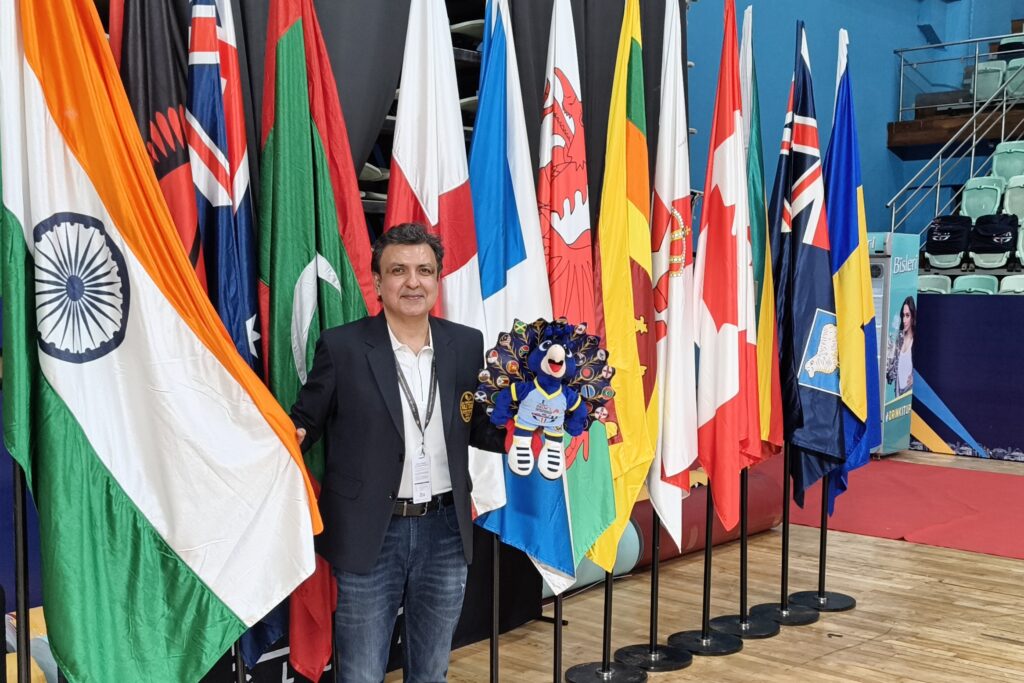
A major sporting championship is measured in medals, records and moments of brilliance. But before the first serve is played and long after the final point is won, another operation is taking place behind the scenes. Equipment has to arrive, athletes have to move, playing conditions have to be prepared and every element has to come together at precisely the right time. The 22nd Commonwealth Table Tennis Championship 2026 was one such operation.
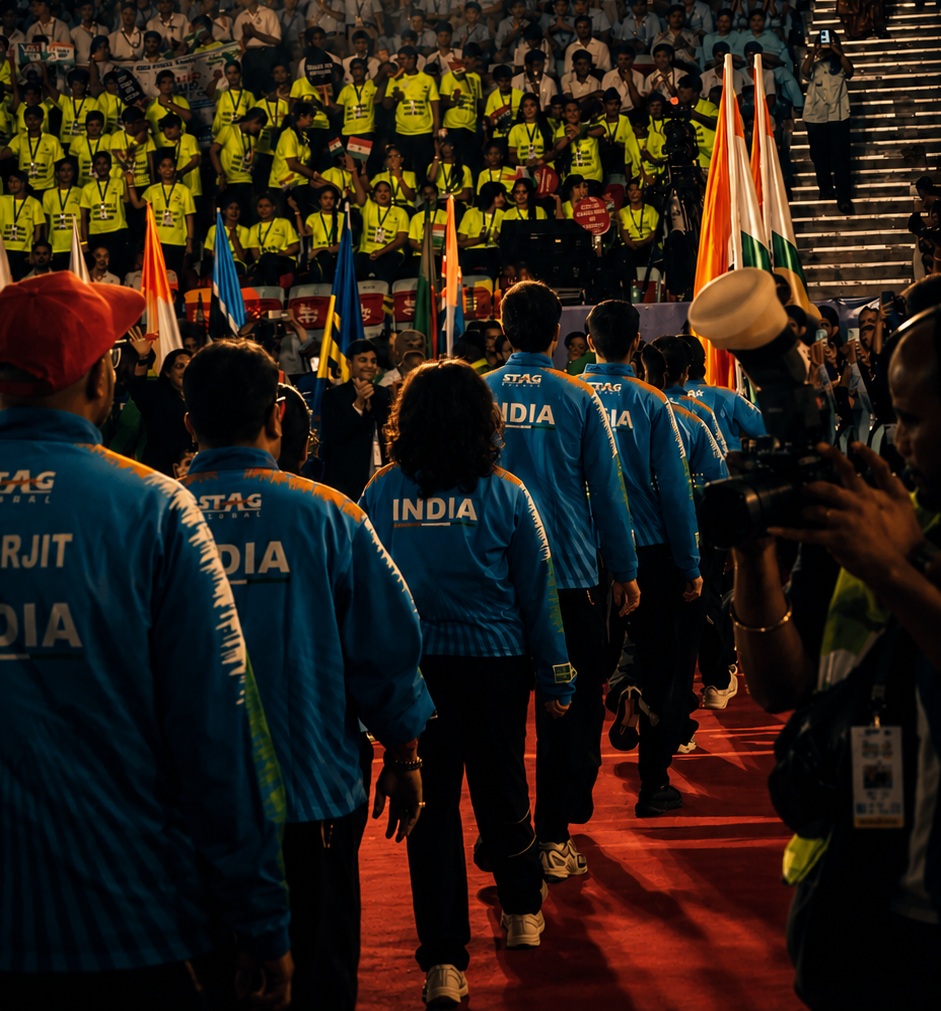
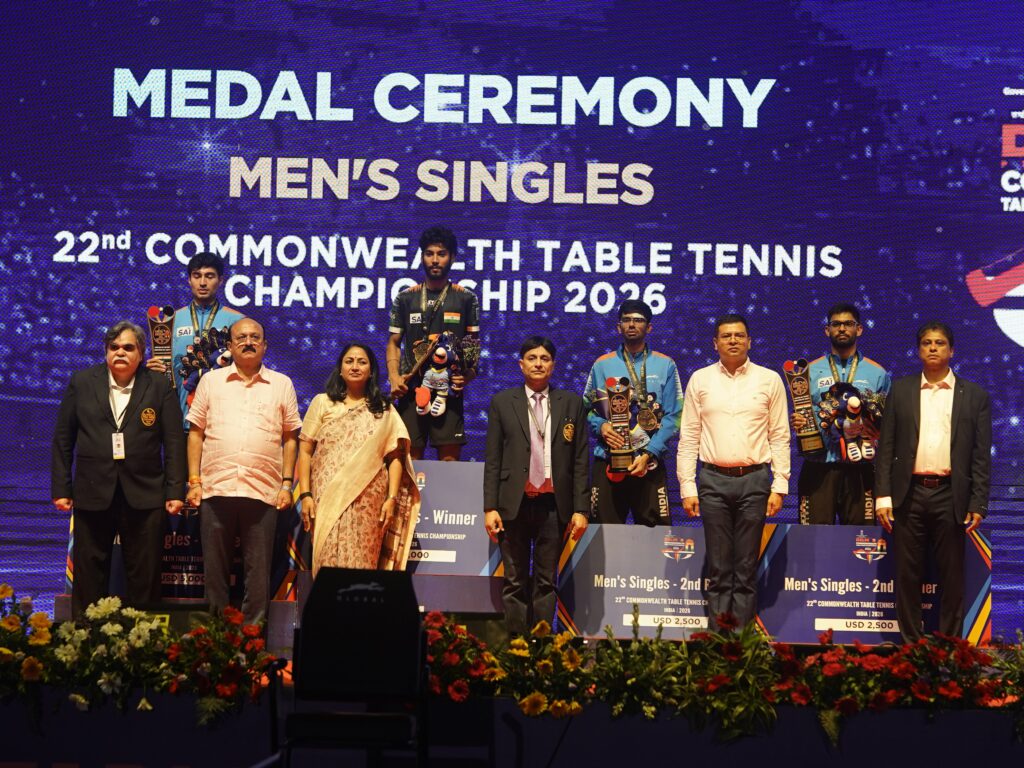
Held in New Delhi from 27 July to 2 August, the championship brought together players from 25 Commonwealth nations and more than 100 athletes for a week of international table tennis. The event brought together athletes, coaches, officials and sporting stakeholders from across the Commonwealth and put Delhi in the international sporting spotlight. The championship also received strong support from the Delhi government, with Chief Minister Rekha Gupta and Shri Ashish Sood, Minister for Education and Sports in the Delhi Government, closely associated with the event and gracing its opening and closing ceremonies. Their presence reflected the importance attached to bringing an international sporting championship of this scale to the capital.
On the table, India had plenty to celebrate. The Indian contingent delivered a strong performance throughout the championship, eventually winning both the men’s and women’s team titles. But while the athletes competed for medals in front of spectators, another carefully coordinated operation was taking place away from the spotlight. An international sporting event does not begin when the first player walks onto the court. It begins much earlier, when the equipment starts moving.
When Logistics Becomes Part of the Competition
For the Commonwealth Table Tennis Championship, logistics was not simply about transportation. It was about ensuring that the right equipment, the right people and the right infrastructure were in place at the right time. Vinet K. Chadha, Managing Director of Combined Logistics Solutions, was appointed Chairman, Logistics for the championship. With extensive experience in freight forwarding and specialised sports logistics, Chadha brought the operational discipline of the logistics industry into an event where precision was critical.
Sports logistics operates on a very different clock from conventional cargo. A commercial shipment can sometimes be delayed or rescheduled, but a sporting event cannot simply move its opening match because equipment has not arrived. Competition schedules are fixed, athletes work to specific timings and international participants travel according to carefully planned itineraries. That makes every movement important. For the logistics team, the assignment involved coordinating specialised sporting equipment and supporting the movement requirements associated with an international field of athletes and officials.
The Tables Behind the Rally
One of the most distinctive elements of the championship was the equipment itself. STAG Global, a recognised name in table tennis equipment, supplied the tables used for the championship. But for Arjun Kohli, Director of STAG Global, the tables were more than competition equipment. The specially designed tables were his brainchild, with the concept incorporating India Gate as a central visual symbol and giving the equipment a distinctly Delhi identity.
Instead of simply placing standard sporting infrastructure inside an international championship, the concept used the table itself as a canvas to represent the host city. It created a meeting point between sport, design and place, allowing an essential piece of competition equipment to become part of the visual identity of the championship.
The logistics operation also involved the movement and handling of specialised table tennis equipment, including competition tables and specially designed tables created for the championship. Each piece required careful planning and handling to ensure it reached the venue in competition-ready condition and was available as required during the event. For an international sporting event, such equipment is not ordinary cargo. Tables of this nature need to be moved, handled and positioned with care while meeting the requirements of a championship environment. The logistics challenge therefore begins well before the equipment reaches the playing area, involving movement planning, safe handling, delivery coordination and positioning according to the event schedule.
Moving People Alongside Equipment
The operation also extended beyond physical cargo. With 25 Commonwealth nations participating and more than 100 athletes involved, the championship created a sizeable movement requirement around the sporting programme. Athletes travelling from different countries bring their own logistical considerations, with schedules tied to training sessions, competition draws and match timings. Coaches, officials and other members of national contingents add another layer of coordination.
For a logistics team, people and cargo cannot always be considered separately. Equipment has to be ready when athletes arrive and the venue has to be ready when competition begins. Every movement has to work within a schedule that leaves little room for error. This is what makes sports logistics a specialised discipline. It requires the mindset of a freight operation combined with the precision of a live event.
More Than a Championship
The Commonwealth Table Tennis Championship also demonstrated what can happen when sporting bodies, government and industry come together around a common objective. The support of the Delhi government, including Chief Minister Rekha Gupta and Shri Ashish Sood, helped give the championship a wider significance for the city. Their presence at the opening and closing ceremonies underlined the importance of the event not only for table tennis but also for Delhi’s position as a host for international sporting events.
For the logistics and equipment partners, meanwhile, the championship represented an opportunity to demonstrate capabilities in an environment where there is little margin for error. For Combined Logistics Solutions and Vinet K. Chadha, the assignment brought together freight expertise, event coordination and sports logistics. For STAG Global and Arjun Kohli, it was also an opportunity to create equipment that carried a piece of Delhi into the competition itself. For the athletes, it was about competing at the highest level.
The Invisible Work Behind the Rally
The most successful logistics operations are often the ones spectators never notice. When an athlete walks into the venue and finds the competition environment ready, there is little reason to think about how everything reached that point. When a match begins on schedule, nobody in the stands is thinking about the movement of equipment, the coordination between teams or the planning that took place weeks before. That invisibility is a sign that logistics has done its job.
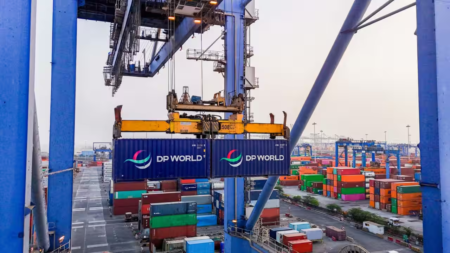
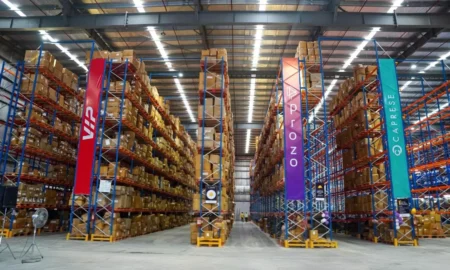
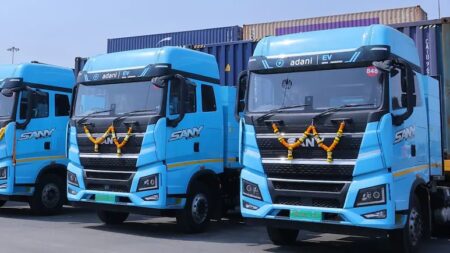
The Commonwealth Table Tennis Championship is a reminder that logistics extends far beyond containers, trucks, warehouses, ports and airports. It is also about enabling experiences and creating the conditions in which major events can happen seamlessly. Behind the 25 nations and more than 100 athletes was an operation built around timing, coordination and precision.
The players competed for the medals and the memories. Behind them was an operation designed to make sure that the equipment, people and infrastructure supporting the championship were in place when required. That is what makes the Commonwealth Table Tennis Championship our Cargo Moment of the Month: a sporting spectacle made possible by an equally precise logistics operation working behind the scenes.