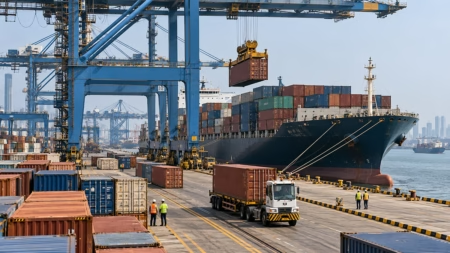




Rising freight and insurance costs are keeping oil prices elevated even as Hormuz flows recover.
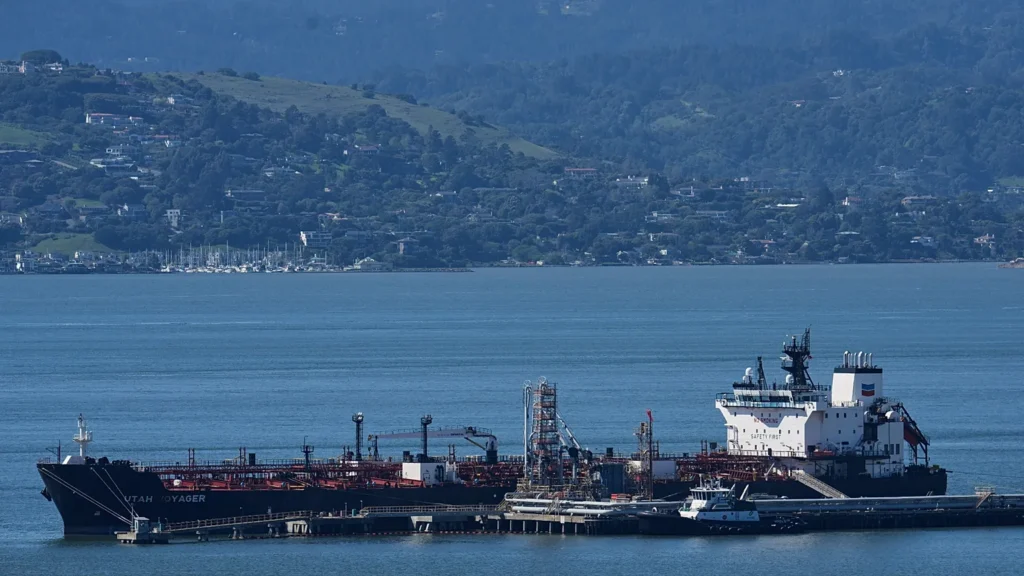
Crude exports through the Strait of Hormuz climbed to their highest levels since the start of the Iran war in late September, as more Gulf producers resumed transit despite the continued threat of Iranian attacks. According to analytics firm Kpler, flows through the strait reached 14.2 million barrels per day on a seven-day average on September 26, nearly 80 per cent of pre-war levels. Despite this recovery, Brent crude has remained above $100 a barrel, more than 40 per cent above pre-war levels, a gap that Reuters columnist Ron Bousso attributes largely to logistical bottlenecks rather than supply shortages.
Saudi Arabia, previously the world’s largest oil exporter, had diverted exports through its East-West pipeline to the Red Sea port of Yanbu following Iran’s blockade of Hormuz after the war began on February 28. After the pipeline was struck by Iranian-backed Iraqi militias in early September, Saudi Arabia redirected exports back through Hormuz, which proved easier to transit than previously expected.
Energy Aspects estimates the global oil market deficit has narrowed to around 1.6 million bpd, down from roughly 4 million bpd during peak disruption in May. However, freight and insurance costs, once a minor factor in oil pricing, have become major price drivers. According to shipping broker Poten & Partners, rates to transport crude from the Middle East to Asia aboard a very large crude carrier recently exceeded $1.2 million per day, up from roughly $30,000 a day in January. As a result, freight costs that once made up around 3 per cent of the delivered price of a barrel now account for roughly 27 per cent, according to the analysis.
The loss of refining capacity in the Middle East and Russia, where Ukrainian drone attacks have damaged numerous plants, has further strained diesel supplies, pushing prices to record highs. The Group of Seven’s decision last week to release diesel from strategic stocks is expected to offer only temporary relief, as it does not restore lost refining capacity.
Source: Reuters