



Visibility and speed beat blind prediction every time
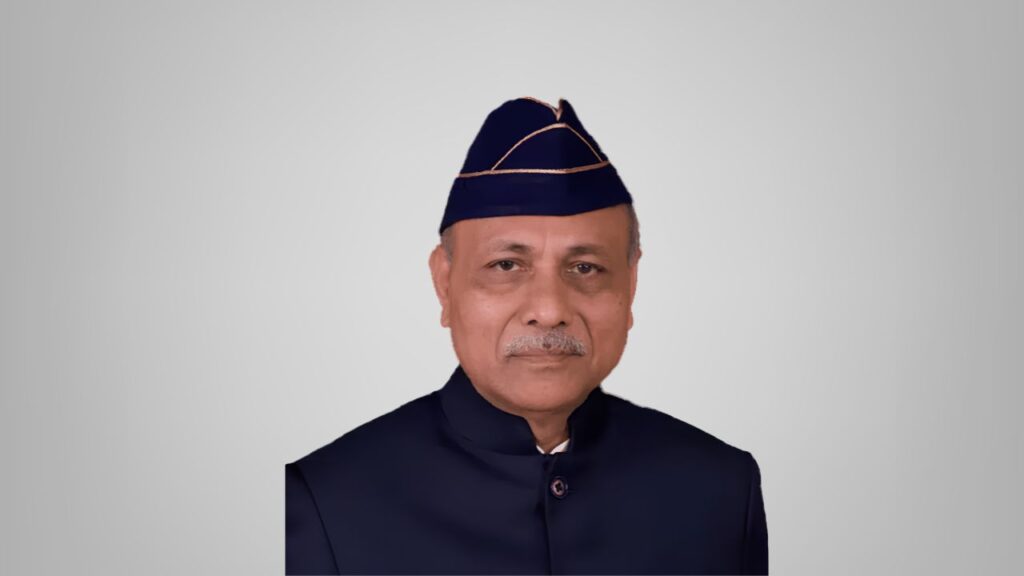
Few figures in Indian logistics have watched the industry’s relationship with predictability unravel as closely as Shri Ramesh Agarwal, Chairman, Agarwal Packers and Movers. For years, his network could plan around a known seasonal calendar, anticipating the surges that came with festivals, harvests and year end closures. That predictability, he says, no longer holds, and the shift has been less about adopting a single new technology than about building an organization, capable of reacting within minutes rather than days.
Real-Time Response in Action
He illustrates this with a real example of monsoon flooding originating in Nepal, where an alert received late one evening triggered an immediate response across the network. Within a short window, the organisation’s real time vehicle tracking, which allows every truck to be monitored much like objects on a radar screen, was used to identify vehicles in the affected corridor. A mass communication system then pushed instructions to thousands of drivers simultaneously, warning those in or heading towards the danger zone to reroute. It is this combination of continuous visibility and near instant driver communication, rather than any single forecasting tool, that Agarwal treats as the backbone of resilience in a country where infrastructure disruption can arrive with almost no warning.
Transparency as the New Trust Currency
His perspective on the upstream journey of consumer expectations centres on something less discussed than delivery speed: the integrity of goods while they are in transit, particularly where perishables and consumables are concerned. He raises the practical risks that arise when dissimilar products are consolidated within a single vehicle for the sake of efficiency, and argues that as consumer awareness grows, transparency about how and with what a product has travelled will increasingly become part of the value a logistics brand offers, not an afterthought. In his view, the logistics provider’s name attached to a shipment will, in time, become as much a mark of trust as the brand on the product itself, a theme that echoes strongly into how the entire industry now thinks about accountability at every stage of the journey.