



Hydrogen-powered trains offer India a chance to pair cleaner rail mobility with energy security and indigenous engineering. This article looks at how green hydrogen works, why total cost of ownership matters more than fuel costs alone, and how collaboration and pilot projects can turn early progress into competitive, scalable railway technology.

Hydrogen rail succeeds only when innovation scales reliably.
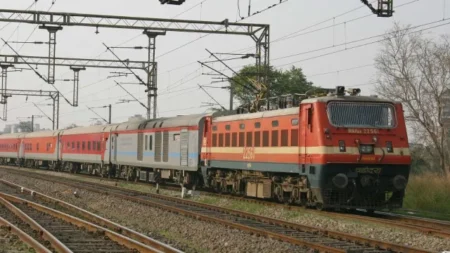
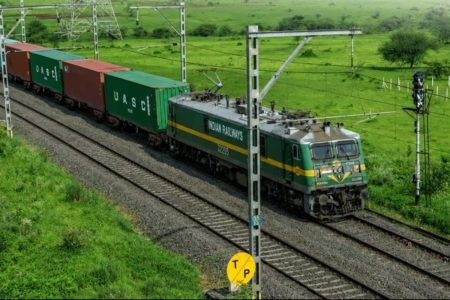
India’s railway transformation is about more than expanding connectivity. It is also about making the movement of people and goods cleaner, more energy-efficient and technologically advanced. Electrification has been a significant step, and hydrogen-powered trains now offer another avenue to explore.
Decarbonisation and Energy Security
Decarbonisation means reducing the greenhouse gas emissions associated with economic activity, including those from diesel locomotives and the energy used across railway operations. As countries pursue cleaner growth while seeking greater control over their energy needs, the issue is turning strategic. Reduced reliance on fossil fuels can diversify energy sources and limit exposure to international fuel-price fluctuations.
India has made substantial progress in electrification, and hydrogen can complement it where it offers a practical alternative to conventional traction. Its potential should be weighed alongside electrification and other emerging technologies, to select the most suitable solution for each operating requirement.
Why Green Hydrogen Matters
In a fuel-cell locomotive, hydrogen combines with oxygen to generate electricity that powers the traction system. Water and heat are produced, with no carbon dioxide emitted at the locomotive itself. The overall environmental benefit, however, depends on how the hydrogen is produced and delivered.
Green hydrogen is made by splitting water through electrolysis using renewable electricity, such as solar or wind power. This helps reduce emissions across the energy supply chain and links India’s renewable-energy ambitions with the transport sector. The National Green Hydrogen Mission provides an important foundation, focusing on domestic production, technology development, manufacturing and exports. India’s first indigenous hydrogen-powered train is a tangible step, and the next priority is to build on it through operational learning and solutions that can scale sustainably.
Cost of ownership, not fuel alone, decides hydrogen’s future.
The Opportunity Ahead
In suitable applications, reduced diesel consumption can help limit exposure to fuel-price volatility. Improved equipment, reliable domestic hydrogen supplies and efficient infrastructure could strengthen the economics of hydrogen operations. Actual savings will depend on hydrogen prices, infrastructure investment, maintenance and utilisation, so the focus must be total cost of ownership rather than fuel costs alone.
This opens doors for Indian engineering companies to develop specialised capabilities, strengthen domestic supply chains and contribute to advanced railway manufacturing. Technology providers, meanwhile, can design systems that improve reliability, energy management and safety. As experience grows, domestic manufacturers could develop solutions for diverse operating environments and potentially serve international markets, where competitiveness will rest on reliability, cost-effectiveness and adherence to international standards.
A Sustainable Railway Future
Realising this potential will require collaboration among Indian Railways, policymakers, energy producers, manufacturers and research institutions. Affordable green hydrogen, renewable-energy availability, refuelling infrastructure, safety standards and dependable performance will all influence adoption, supported by pilots that show where hydrogen delivers the greatest value.
The measure of success will not simply be the adoption of a new fuel, but the ability to turn innovation into reliable, scalable and competitive technology.