



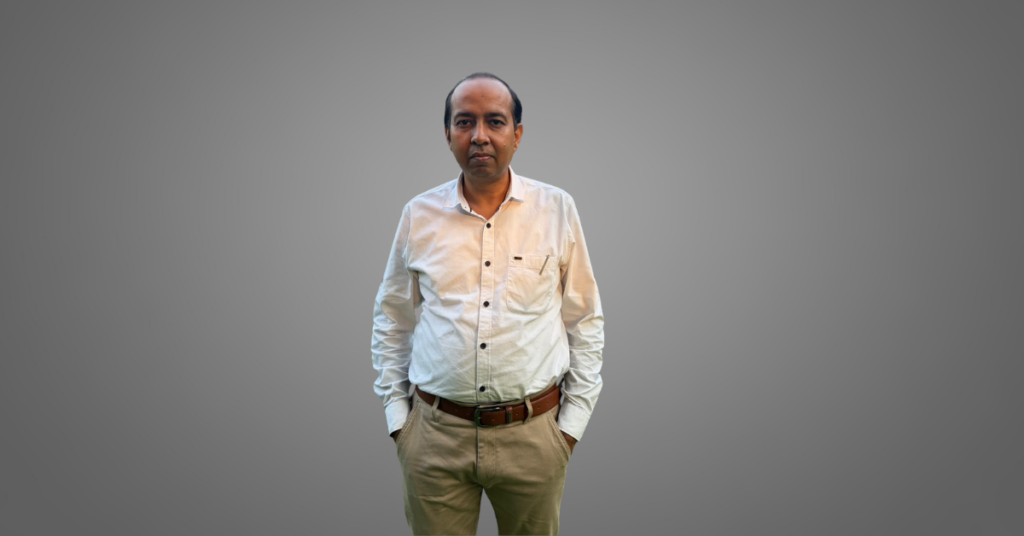
Ranjan Kumar, AVP – Manufacturing, Bata India, brings the question to the factory floor. In footwear manufacturing, a delayed material, a demand change or a quality issue can disrupt production and customer delivery. A smart supply chain, he says, is not simply more software or dashboards. It connects demand, material availability, capacity, inventory, quality and dispatch so that teams work from a common picture.
Smart supply chains turn visibility into accountable action
Reading the Warning Signs
Data shows warning signs early if it is accurate and reviewed regularly. Declining supplier performance, material shortages, output below plan or missed transport milestones should trigger action before the customer is affected. The value lies not in predicting every disruption but in identifying risk, assigning responsibility and agreeing a recovery plan. Experience still matters, but data gives it a stronger basis.
Sourcing Beyond Price
Sourcing should not rest on purchase price alone. Data allows suppliers to be compared on total cost, quality, lead time, capacity, flexibility and on-time delivery, since a low-cost material is no saving if inconsistent quality causes rework, stoppages or customer claims. The best decision balances cost with continuity of supply, quality and the ability to serve the market on time.
Between Systems and Speed Dial
Most companies, he says, sit somewhere in between. They have ERP systems, tracking tools and dashboards, yet a delayed shipment or a production problem still prompts a phone call or WhatsApp message first. Such methods are not automatically wrong, but trouble begins when decisions remain in messages or memory, without a reliable record, clear ownership or learning. The answer is to connect human judgement with trusted data: one agreed view of order status, inventory, material readiness and delivery commitments, visible exceptions and corrective actions tracked to closure. Technology provides visibility, but people, discipline and accountability turn it into results.