



A Cornell University report finds that cooling investments at Bangladesh garment factories pay back within four years, urging brands to share costs with suppliers.
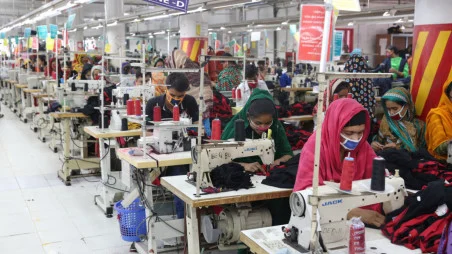
Investing in cooling systems to reduce heat stress for garment factory workers is commercially viable and financially beneficial for manufacturers and the brands they supply, according to a report by Cornell University’s Global Labor Institute. Researchers found that cooling investments at factories in Bangladesh, ranging from reflective paint and roof insulation to airflow ventilation, pay back within four years. The study, which cited temperature readings over a six-month period at eight factories in Dhaka, found that temperatures inside factories often exceed those outdoors, with workers most exposed to extreme heat in ironing and finishing sections. High heat stress erased 4.1 per cent of these factories’ annual revenue on average, posing financial risks for both manufacturers and global brands. The report urged brands to share the cost burden by easing prices for suppliers that invest in worker cooling.
Jason Judd, Executive Director of the Global Labor Institute, told Reuters that the findings gave both buyers and suppliers a context for the scale of intervention required, adding that apparel brands had expressed interest in the payback period for heat adaptation spending at factories. The latest findings follow research published three years ago showing that heat and flooding could erase USD 65 billion in apparel export earnings from Bangladesh, Cambodia, Pakistan and Vietnam by 2030. The American Apparel and Footwear Association last week released a toolkit aimed at protecting workers from extreme temperatures and proposed that brands share the costs of resilience measures where investments may not generate sufficient returns for a manufacturer to justify funding them alone. Nate Herman, Executive Vice President of the American Apparel and Footwear Association, said the industry must act to protect the workers at the heart of its supply chains as extreme heat becomes an increasingly common reality worldwide.
Source: Reuters