



Scale means nothing without built-in intelligence
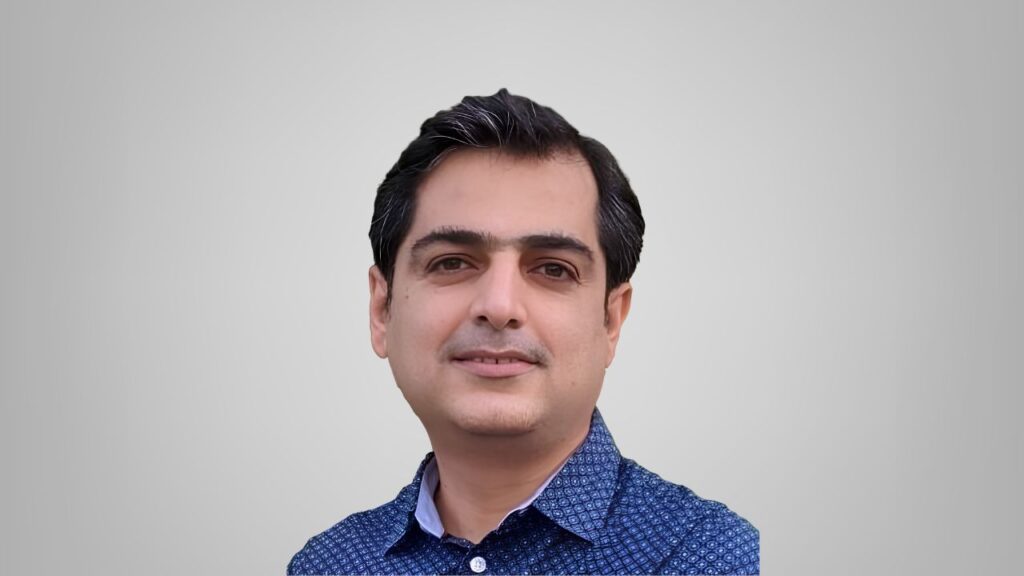
Where Agarwal’s story is one of reacting to disruption in real time, Atul Mehta, CEO, Domestic Shipping at Shiprocket, is scaling that responsiveness across an entire national network, building intelligence so deeply into infrastructure that disruption becomes routine to absorb. At Shiprocket, he explains, intelligence is not an emerging capability layered onto logistics but the operating core of the business, drawn from a scale that few Indian platforms can match: more than eight crore shipments processed for over four lakh merchants, across more than nineteen thousand PIN codes. It is this data density that underpins Radar and Sense, two capabilities that convert live courier and location level signals into routing decisions and merchant facing delivery intelligence, marking a shift from simply recording what happened in a shipment’s journey to actively shaping what happens next.
Delivery Built Into the Product Promise
Mehta traces the upstream march of customer expectation directly into the architecture of fulfilment itself. Shiprocket now supports four hour, same day and next day delivery through a dark store network that has grown past forty five locations, coordinated through intelligent order allocation and real time inventory synchronisation across more than two hundred and twenty digital channel integrations. Crucially, this intelligence is pulled forward into the checkout moment through Sense, which validates addresses, checks serviceability and issues accurate delivery date promises before an order is even confirmed. Delivery, in this framing, is no longer the final leg of a transaction; it has become part of the product proposition that a merchant sells.
Designing for Fragmentation
That same philosophy shapes how Mehta thinks about resilience. Rather than assuming any single courier, route or fulfilment location will remain optimal, Shiprocket has built for fragmentation by default, bringing dozens of courier partners onto one technology layer while Radar continuously assesses performance at the PIN code level to flag emerging network stress before it becomes a failure. Looking ahead to the network he would build from scratch, Mehta argues that the individual warehouse or courier matters less than the connecting intelligence layer, one capable of allocating orders and synchronising inventory across a distributed mesh that can flex between B2C, B2B, quick commerce and omnichannel demand as it arises, a vision that finds an unexpected echo in the aerial logistics space.