


As India targets 10 million metric tonnes of air cargo capacity by 2030, the focus is shifting from scale alone to building faster, smarter and globally competitive logistics infrastructure. Success will depend on digital modernisation, multimodal connectivity and operational efficiency that can support the country’s growing role in global manufacturing and trade.
India’s 10 Million Tonne Ambition
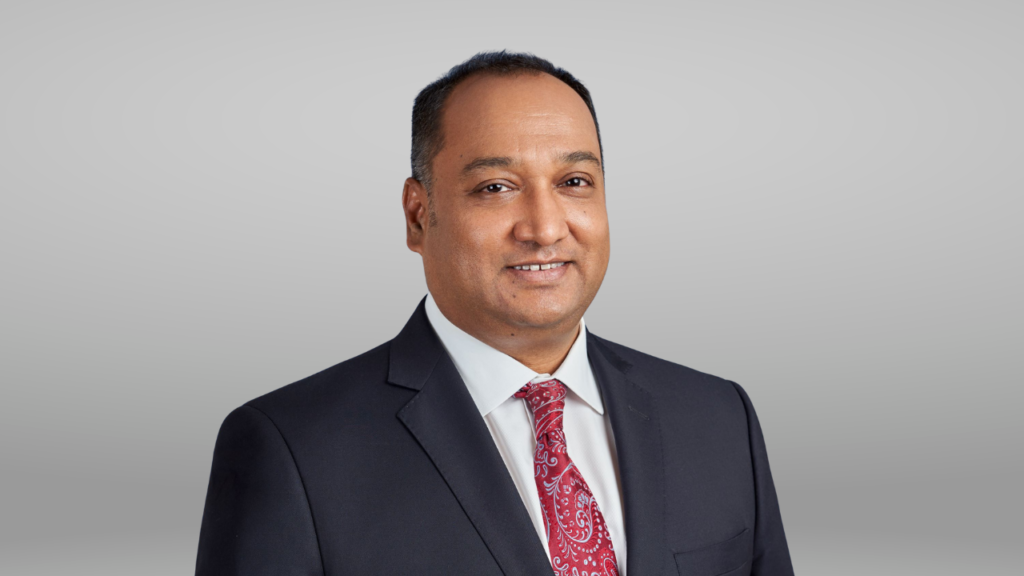
India’s ambition to scale air cargo handling capacity to 10 million metric tonnes by 2030 is more than an infrastructure target. It is, as Suvendu, Vice President of Operations, Planning and Engineering India at FedEx sees it, a pivotal opportunity to strengthen the country’s position in global trade, advanced manufacturing and cross-border e-commerce at a moment when supply chains are becoming faster, more dynamic and less forgiving of inefficiency. The focus must shift toward building globally competitive logistics infrastructure that enables higher cargo velocity, lower dwell times and seamless connectivity across international trade corridors rather than simply adding capacity without the operational intelligence to use it well.
A Strategic Manufacturing Hub in the Making
FedEx is seeing strong momentum in India’s emergence as a strategic manufacturing and export hub, particularly across electronics, semiconductors, pharmaceuticals, aerospace, perishables and MSME-led exports. Enabling the next phase of that growth will require accelerated investment in digital customs modernisation, multimodal integration, streamlined transshipment processes and advanced cargo screening capabilities aligned with global hub standards. These are not peripheral upgrades. They are the foundational conditions for India to compete credibly with established air cargo hubs across Asia and the Middle East.
Removing the Bottlenecks
As cargo volumes scale, throughput efficiency across terminals becomes the defining constraint. Suvendu identifies existing screening technology limitations as a source of operational bottlenecks that affect shipment flow and network agility. Enabling high-speed CT-EDS screening systems through close industry and regulator collaboration can accelerate cargo processing while maintaining robust security standards, turning what is currently a friction point into a competitive advantage.
The broader message from FedEx’s experience is one that runs through every conversation in this feature: the infrastructure being built today will determine the trade India captures tomorrow and the window to get it right is narrowing with every quarter that passes.