



Over 30 freight forwarders from 10+ countries migrated to Softlink Global’s Intelligent Cloud ERP in one month, activating 1,000 users on a unified platform. The seamless shift overcomes traditional ERP hurdles, boosting visibility, decisions, and efficiency.
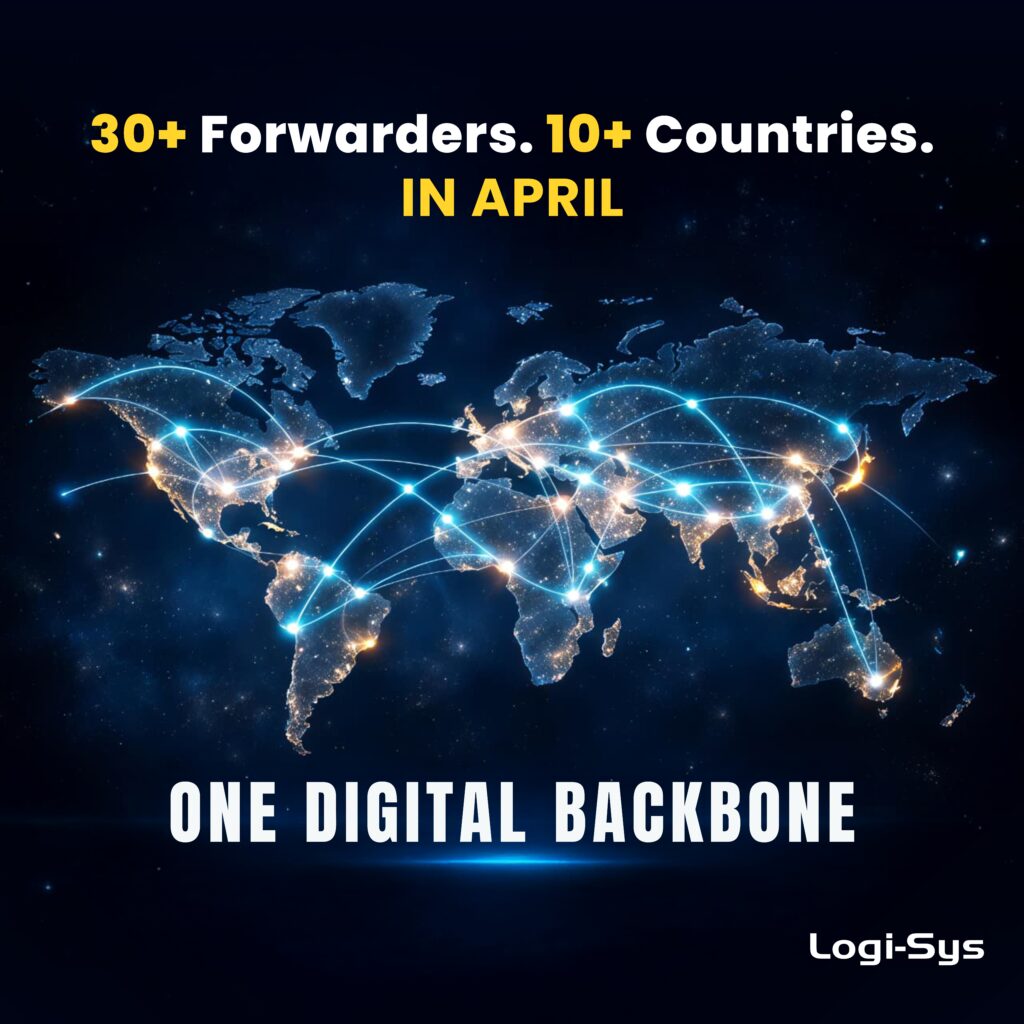
In a significant move signalling the accelerating digital transformation of global logistics, over 30 freight forwarders spanning more than 10 countries have migrated to Softlink Global’s Intelligent Cloud ERP Platform within a single month, activating over 1,000 users onto one unified system.
The adoption wave cuts across major logistics corridors in Asia, the Middle East, Europe, Africa, and North America, covering key markets including India, the UAE, Hong Kong, Singapore, the United Kingdom, Kenya, and the United States. Freight businesses operating across these regions are moving away from fragmented legacy systems and adopting a unified platform where operations, finance, and compliance function together on real time basis.
Amit Maheshwari, Founder and CEO of Softlink Global, noted that freight forwarders do not operate in one country. Moreover, he described the growing trend as a decisive shift, with companies across regions choosing a unified digital backbone to manage their business end to end.
The transitions were executed without disruption to ongoing operations, encompassing operational and financial data migration across regions, workflow standardization across offices, and the simultaneous activation of freight, finance, and compliance functions in a unified system.
Traditionally, ERP adoption in freight forwarding has been hindered by concerns over migration risk, downtime, and multi-country complexity. The scale of adoption recorded within April alone indicates that global freight businesses are now willing and fully equipped to make the move.
The shift to a connected platform, otherwise referred to as the Digital Backbone of companies results in real-time visibility across shipments and branches, unified financial control, faster decision-making driven by live data, and a meaningful reduction in dependence on manual processes.