


IUMI and TAPA EMEA warn of rising cargo theft and digital freight fraud worldwide, with losses running into billions and risks spreading fast.
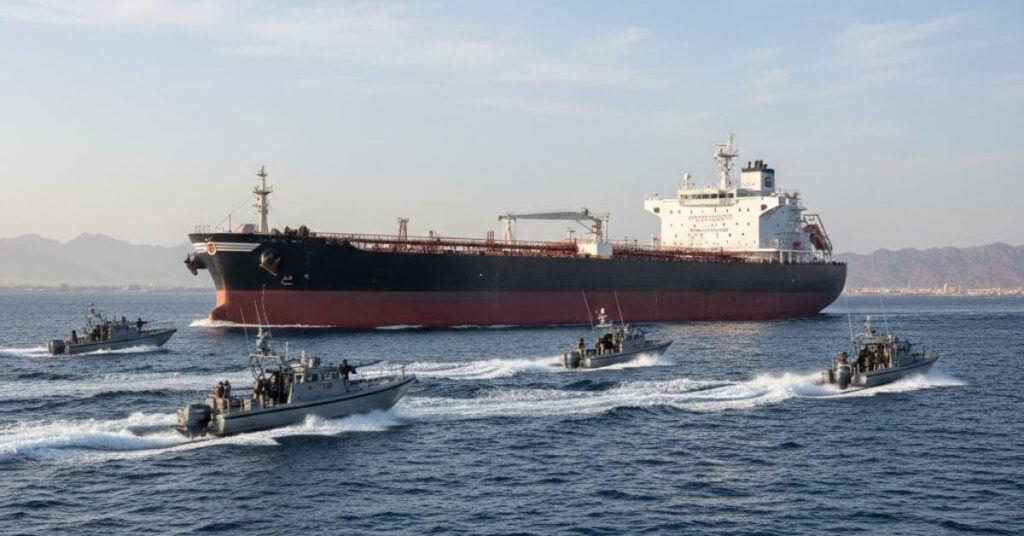
Global supply chains are facing an escalating threat as cargo theft and freight fraud rise sharply across regions, prompting a joint warning from the International Union of Marine Insurance (IUMI) and the Transported Asset Protection Association (TAPA) EMEA. From Europe and the Americas to Africa, criminal activity is becoming more frequent, more organised and increasingly digital, with Latin America and parts of Africa witnessing particularly violent attacks.
Data from TAPA’s cargo crime intelligence system reveals the scale of the problem. Between 2022 and 2024, nearly 160,000 cargo-related crimes were recorded across 129 countries, with total losses estimated to run into several billions of euros. While hijackings and warehouse thefts remain common, both organisations warn that cargo crime is rapidly shifting “from the asphalt to cyberspace.”
Thorsten Neumann, President & CEO of TAPA EMEA, said criminals are now exploiting digital tools to hide their identities. Shell companies are being created, legitimate logistics firms are being cloned using stolen credentials, and forged emails, look-alike domains and fake insurance certificates are becoming routine. He cautioned that the misuse of artificial intelligence could accelerate these crimes, making fraud easier to scale and losses far more severe.
Recent regional data underlines the urgency. In North America alone, cargo theft losses reached USD 455 million in 2024, with more than 3,600 reported incidents and an average loss exceeding USD 202,000 per case. Across Europe, the Middle East and Africa, TAPA EMEA recorded over 108,000 thefts in the past two years. Of the small percentage reporting loss values, damages exceeded €1 billion, equivalent to more than €1.3 million every 24 hours, with major incidents averaging nearly €879,000.
In the United States, strategic cargo theft and organised crime now account for around 18% of all incidents. Mexico has seen a dramatic spike in “phantom freight” frauds, with such cases increasing up to 15 times since 2022, often involving high-value cargo stolen through deception rather than violence. Germany has also reported a sharp rise, with 88 phantom carrier cases logged in just the first seven months of 2025, matching the total for the entire previous year. By end-July 2025, losses in Germany alone had reached around €18 million, with a full truckload disappearing every three days.
According to IUMI and TAPA EMEA, criminal groups are increasingly securing legitimate freight contracts under false or stolen identities. At pickup, everything appears normal, but the cargo never reaches its destination and is instead resold, while the fake carrier vanishes. Repeat contracts and framework agreements are also being targeted, amplifying potential losses.
Calling for urgent action, both organisations have issued joint guidance for shippers, logistics providers, insurers and authorities. Key recommendations include continuous vetting of carriers and drivers, strict verification of contacts and documents, adherence to recognised security standards, vigilance for abnormal behaviour, secure route planning, and wider use of real-time GPS monitoring.
Lars Lange, Secretary General of IUMI, highlighted the critical role of freight exchange platforms, urging them to strengthen identity verification and fraud detection measures, including multi-factor authentication. He stressed that closing loopholes exploited by fake carriers requires active cooperation across the industry.
While fraudulent carriers dominate headlines in Europe and North America, violent hijackings remain widespread in regions such as Brazil, South Africa and parts of Europe. IUMI and TAPA EMEA warn that even regions not heavily affected today are at risk tomorrow, especially as AI-enabled fraud techniques spread.
Reaffirming their commitment, both organisations pledged continued support to insurers, shippers, logistics providers and digital freight platforms, emphasising that only coordinated action, shared intelligence and strong standards can build resilience against the evolving global threat of cargo crime.
Source: PR