




The India-New Zealand Free Trade Agreement will come into force on October 20, 2026, making 100 per cent of India’s exports to New Zealand duty-free from day one.

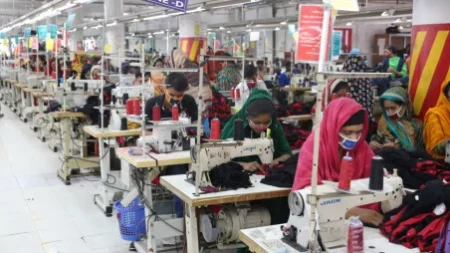
The India-New Zealand Free Trade Agreement will enter into force on October 20, 2026, following the completion of internal processes in both countries, including the passage of legislation by the New Zealand Parliament on September 16, 2026. The FTA was signed on April 27, 2026, at Bharat Mandapam, New Delhi, by Union Minister of Commerce and Industry Piyush Goyal and New Zealand’s Minister for Trade and Investment Todd McClay. From the date of entry into force, every tariff line covering 100 per cent of India’s exports to New Zealand will become duty-free, benefiting sectors including textiles and apparel, leather and footwear, gems and jewellery, engineering goods and processed foods, as New Zealand’s peak tariffs of up to 10 per cent are eliminated. Indian manufacturers will also gain tariff-free access to critical inputs including wooden logs, coking coal and metal scrap.
The Agreement provides for New Zealand’s commitment to facilitate USD 20 billion in investment into India across agriculture, manufacturing, infrastructure and startups. For India’s services sector, the FTA covers approximately 118 sectors including information technology, professional services, construction and tourism, with Most-Favoured Nation treatment locked in across approximately 139 sub-sectors, a dedicated quota of 5,000 Temporary Employment Entry visas for skilled Indians and 1,000 Working Holiday visas annually for young Indians. Sensitive agricultural products including dairy, animal meat except sheep, key agricultural commodities, sugar and edible oils have been excluded from tariff concessions. The agreement also establishes an Agriculture Productivity Partnership and Centres of Excellence for orchard management, post-harvest practices, supply chains, food safety and sustainable beekeeping. Bilateral merchandise trade stood at approximately USD 1.1 billion in 2025-26, with both countries targeting doubling bilateral two-way trade in goods and services to NZD 7 billion by 2030.
Source: Press Information Bureau