



As India’s fashion and textile sector scales rapidly, Abhishek Dua, Co-founder, Showroom B2B, explains why integrated, information-led logistics, rather than fragmented hand-offs, will define the industry’s ability to grow efficiently, sustainably, and at speed.

Integration reduces delays, waste, and inefficiencies across textile logistics
India’s textile and apparel market is projected to touch US$350 billion by 2030. Yet, the supply chain powering this growth still runs on phone calls, paper slips, and fragmented relationships. For decades, yarn has passed through mills, job workers, garment units, traders, and finally retailers—an endless relay with little coordination. Studies describe India’s textile supply chain as one of the longest and most fragmented globally, resulting in late deliveries, opaque pricing, inconsistent quality, and unsold stock. To meet rising demand and sustainability expectations, this patchwork must evolve into a connected system.
What integration really means
Integration is not about one giant company owning the chain. It’s about every node sharing the same real-time view. Mills should know which colours are selling, garment makers should work with confirmed orders, and retailers in smaller cities should access assortments equal to large-format stores. Logistics partners must move beyond being mere transporters—they need to be plugged into demand signals and capacity planning, not called only after goods are ready.
Information sharing: The digital foundation
The first and most crucial layer of integration is information sharing. When orders, inventory, and production plans live on shared digital rails instead of isolated spreadsheets, the supply chain stops guessing and starts responding. Lead times shrink as decisions move faster, minimum order quantities reduce with visibility of aggregated demand, and retailers can replenish more frequently in smaller batches. This digital transparency transforms uncertainty into agility.
Material movement: Flow, not friction
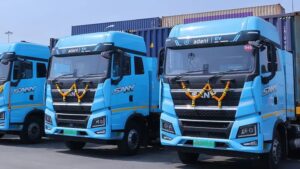
The second layer is streamlining the physical flow of goods. Integrated logistics treat the journey from factory to shopfront as a continuous flow rather than disconnected trips. Middle-mile and last-mile legs are planned together, and loads from multiple suppliers are consolidated along common routes. At this stage, partnerships with third-party logistics providers shift from transactional to strategic, ensuring efficiency across every mile.
Aligning objectives: Incentives that drive value
The final layer is aligning incentives. If suppliers are rewarded only for volume, they will push stock regardless of demand. If logistics partners are paid solely for moving goods, they lack incentive to prevent damage or delay. A connected supply chain links payments, performance, and data, ensuring every participant benefits when the system becomes leaner and smarter.
The road ahead for Indian fashion
The winners in India’s fashion future won’t be those with the loudest collections, but those who build integrated supply chains that sense demand early, move product quickly, and minimise waste. With fabric, fuel, and capital costs rising, integration is no longer optional; it is the only way the industry can grow at scale without being overwhelmed by its own complexity.