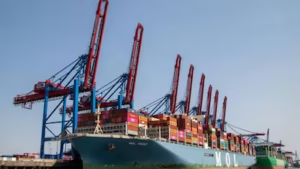



The UN approves a global treaty allowing a single negotiable cargo document across all transport modes, boosting trade and finance access.
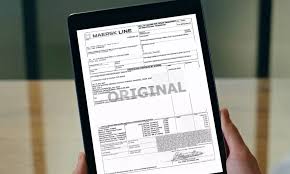
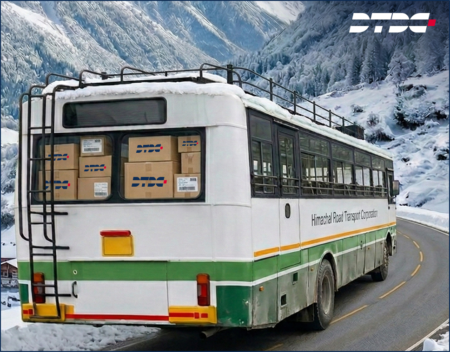
In a landmark move set to reshape the way global trade operates, the United Nations General Assembly has adopted a new treaty that allows goods to be represented by one negotiable cargo document, whether they travel by road, rail, air or sea. The United Nations Convention on Negotiable Cargo Documents, adopted on 16 December in New York, marks the first time traders can rely on a single, legally recognised document for an entire door-to-door shipment.
This breakthrough replaces today’s fragmented paperwork system, which often leads to higher costs, delays and legal uncertainty in multimodal transport. The new document, available in paper and electronic form, can be used to buy, sell or pledge goods as collateral while they are still in transit, extending the long-standing benefits of maritime bills of lading to all transport modes.
The Convention is expected to significantly improve access to trade finance, especially for micro, small and medium enterprises, which often struggle to secure working capital once goods leave the factory. With a single document covering the full journey, businesses can expect faster customs clearance, reduced administrative duplication and smoother cargo movement even when routes or transport modes change unexpectedly.
By formally recognising electronic negotiable cargo documents, the treaty also accelerates the shift toward digital trade, aligning global legal frameworks with the rapid digitisation of supply chains.
The impact is expected to be far-reaching. Logistics providers handling complex multimodal operations, banks and insurers evaluating risk, digital trade platforms processing shipment data and governments modernising border systems all stand to benefit. The Global South, where trade finance gaps and infrastructure challenges are more pronounced, could see particularly strong gains.
“This adoption closes a long-standing legal gap and makes global trade faster, safer and more accessible,” said Tomasch Kubiak of the International Chamber of Commerce Banking Commission, noting that negotiability can now “travel with the goods, whether by road, rail, air or sea.”
Beate Czerwenka, Chair of the UNCITRAL Working Group that developed the treaty, called it a major step toward a more resilient, digital and inclusive global trade ecosystem, with the potential to help landlocked economies integrate more deeply into global supply chains.