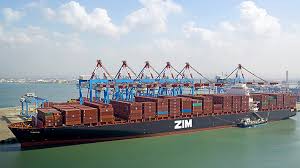





State-owned Shipping Corporation of India’s decision to charter out a container vessel sparks concerns over spiking coastal freight rates.
Coastal Trade Alarmed by SCI’s Chartering Strategy
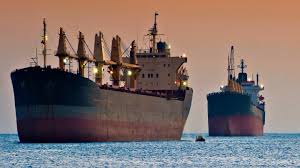
India’s domestic coastal trade sector is urging government intervention to halt the state-owned Shipping Corporation of India (SCI) from reportedly withdrawing one of its two company-owned container vessels from coastal routes for high-rate global charter operations. Industry stakeholders warn that this action threatens the stability of coastal transportation, potentially leading to a sharp rise in freight rates and undermining national policy objectives.
The vessel in question, the 4,500 TEU ‘SCI Chennai’, is scheduled for dry-docking and repairs. Reports indicate that SCI is exploring options to hire out the vessel immediately afterward, rather than redeploying it on the domestic coastal service. Meanwhile, the sister ship, ‘SCI Mumbai’, which had been chartered out for a reported $52,000 per day, is due to return upon charter completion. SCI is currently running coastal services with a smaller hired vessel.
Industry Associations Demand Government Intervention
The reported operational changes have created “serious concern and uncertainty” among traders. The South Tamil Nadu Sanitary Wares & Tiles Traders Association formally requested the Ministry of Ports, Shipping, and Waterways to ensure SCI maintains and strengthens its coastal presence.
The Association’s Secretary, R Suresh Kumar, noted that historical withdrawals by SCI have immediately prompted private shipping lines to increase freight rates, creating market volatility. He argued that SCI’s stable presence is crucial for market discipline and supports Micro, Small, and Medium Enterprises (MSMEs).
Similarly, the Coastal Container Transporters Association (CCTA) highlighted that repeated diversions of vessels for chartering suggest a higher priority is being given to commercial profit over national coastal deployment. CCTA stressed that SCI has a national obligation to support coastal cargo movement, which is a key pillar of Prime Minister Modi’s logistics vision.
Shipping Sources Defend SCI’s Commercial Strategy
However, shipping industry sources defended SCI’s move, characterising the chartering of vessels as a standard commercial strategy to benefit from fluctuations in the global market.
One source explained that the 4,500 TEU vessels are considered too large for the low-rate, low-utilisation coastal segment, where smaller ships would be more efficient. By chartering out the larger vessels at lucrative international rates and using the profit to hire smaller, more appropriate ships for the coast, SCI is maximising its revenue.
Sources suggested that if ‘SCI Chennai’ is chartered out, it is unlikely SCI would also charter out the returning ‘SCI Mumbai’, as this would severely impact coastal services. The high-capacity ships, they suggest, are better suited for niche inter-regional routes in the Far East and Africa than for domestic coastal trade.
SOURCE – ET INFRA