



Freight rates jump 20–30% as Red Sea risks rise; India calls exporters and shippers for urgent review.
Escalating tensions in West Asia following strikes by the United States and Israel on Iran are beginning to disrupt global shipping, pushing the Indian government to urgently assess risks to exports and trade flows.
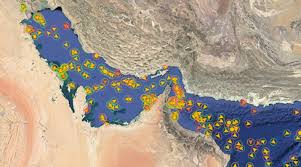
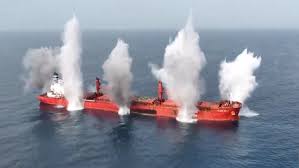
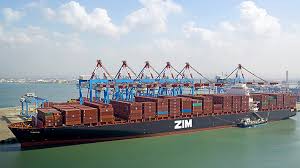
Freight rates are expected to rise by 20–30% as shipping companies pass on sharply higher marine insurance costs for vessels operating in high-risk zones. The Red Sea has become increasingly unsafe, prompting Mediterranean Shipping Company to suspend all Middle East operations, a move that has intensified concerns across supply chains.
In response, the Ministry of Commerce and Industry has convened a high-level meeting to review the impact on India’s exports and logistics. The meeting will be chaired by Rajesh Agrawal, with exporters, shipping lines and freight forwarders participating. Parallel consultations by the petroleum and food ministries are also planned to assess wider implications for imports, exports and domestic supply.
Exporters, particularly of perishable goods such as fruits and meat, fear shipment delays and cancellations as vessels are rerouted or sailings withdrawn. Officials said the government will examine logistics disruptions, elevated freight and insurance costs, and risks along existing shipping corridors, while evaluating alternative routes to minimise operational fallout.
The review will also assess potential export losses, the effect on international trade commitments, and measures to support businesses facing delivery delays and cancellations. Exporters have urged immediate relief steps, faster identification of alternate shipping paths and targeted assistance to offset losses.
Geopolitical tensions between Iran and Israel have steadily intensified over recent years, accelerating after the October 2023 Hamas attacks on Israel and culminating in their first direct military confrontation in 2025. While Iran insists it does not seek nuclear weapons, the US and Israel cite its missile and nuclear programmes as regional security threats, dynamics that are now spilling over into global trade and shipping lanes.
Source: Z Business