




Punjab introduces an end-to-end digital ecosystem to automate liquor supply chain and eliminate transit-related errors.
In a significant move to modernise regional logistics, the Punjab Excise Department is implementing an automated end-to-end tracking system for the liquor supply chain. The initiative aims to replace manual processes with a digital framework, ensuring greater precision in the movement of stock from distilleries to retail outlets.
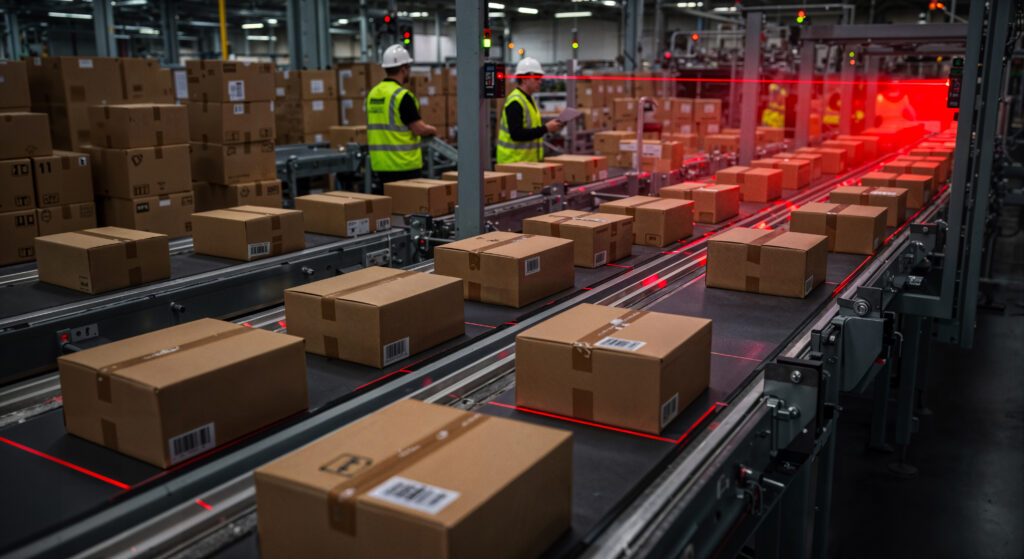
Central to this logistical overhaul is the introduction of a robust track-and-trace mechanism. Every unit will be marked with unique, non-removable QR codes, while secondary packaging will feature distinct barcodes. This allows for real-time monitoring of consignments, significantly reducing the margin for human error and administrative discrepancies that previously hampered the distribution network.
To bolster security within the supply chain, the department is integrating digital tools such as smart locks and automated barriers at transit points. This infrastructure ensures that transport vehicles remain on designated routes, preventing unauthorised diversions. Furthermore, the system is designed to function in both online and offline modes, providing manufacturing units with the flexibility to maintain data logs regardless of connectivity.
By streamlining these operations, the state intends to eliminate leakages and improve the overall efficiency of the distribution corridor. The project, which is expected to be fully operational by 1 April 2026, represents a transition towards a data-driven supply chain model that enhances transparency for all stakeholders involved in the movement of excise goods.
SOURCE – BUSINESS STANDARD