



The GENESIS platform evaluates thousands of warehouse inventory scenarios in minutes, cutting costs and eliminating stockouts.
The Massachusetts Institute of Technology Center for Transportation and Logistics (MIT CTL) and warehouse technology company Mecalux have jointly developed an AI-based simulator to optimise inventory distribution across logistics networks. The platform, called GENESIS (Genetic Evaluation and Simulation for Inventory Strategy), uses a genetic algorithm and advanced machine learning models to determine optimal stock levels at each warehouse and identify the most efficient replenishment timing.
The system analyses variables including forecast demand by region, transport costs, and warehouse operational capacity, allowing companies to test multiple inventory strategies without disrupting real-world operations. A key feature is its ability to rebalance existing stock across facilities before triggering new supplier orders, helping businesses reduce costs and make better use of inventory already within their network. GENESIS also recommends transport strategies, including whether shipments should be consolidated or fulfilled from specific locations to reduce delivery times.
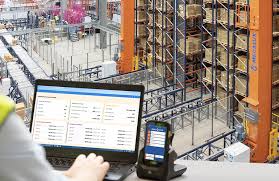
What previously took days of analysis now takes minutes, according to Rodrigo Hermosilla, Research Engineer at the MIT Intelligent Logistics Systems Lab. The platform is designed for both technical teams and business decision-makers, with statistical dashboards covering consumption patterns, demand variability, stockout risk, and supply issues by warehouse. The collaboration is now moving into a second phase focused on internal replenishment, digital twins in automated storage systems, and slotting optimisation.