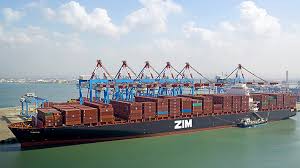





JNPA has digitised marine operations with an indigenous, paper-free system to enhance port efficiency and transparency.
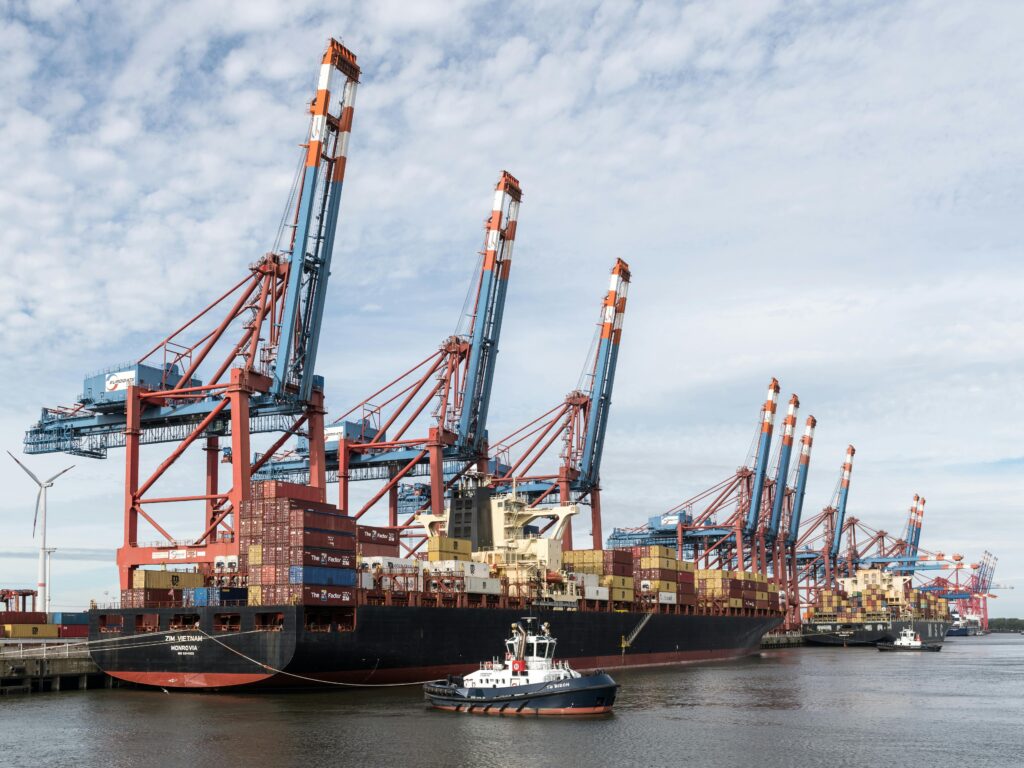
The Jawaharlal Nehru Port Authority, the premier container gateway for India, has successfully transitioned to a fully paperless environment by implementing a sophisticated, indigenous Harbour Management System.
Moving away from standard global software, the authority collaborated with the National Technology Centre for Ports, Waterways and Coasts to engineer a custom digital architecture. This new framework synchronises vessel scheduling, pilotage data, and resource allocation into a singular, transparent digital workflow.
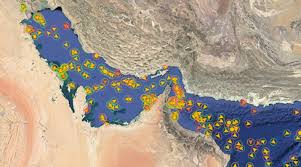
In a simultaneous technological leap, the port has inaugurated its own Integrated Vessel Traffic System. This independent platform replaces previous third-party arrangements, utilising automated identification data to provide terminal operators with a precise, real-time operational overview.
Chairperson Gaurav Dayal noted that this digital evolution is essential for maintaining safety and efficiency within a landlord port model. He highlighted that the adoption of locally developed platforms strengthens service delivery for all operators and aligns with international maritime standards.
Operational data is currently being logged via the “Thagaval” mobile application. This tool has already digitised six months of pilotage records, including electronic signatures from vessel masters, and is fully integrated with national logistics and billing portals.
By 1 January 2026, all marine coordination, including traffic control, was relocated to the newly established Port Facility Centre. This central hub now hosts all maritime authorities and operational sections, ensuring that the five container terminals and various liquid berths receive fair and time-stamped service.
SOURCE – PIB