



India has stock buffers and alternate suppliers ready as Hormuz risks lift crude prices and macro-pressures.
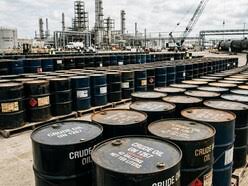
India is unlikely to face immediate physical disruption to oil supplies despite escalating tensions involving the Strait of Hormuz and Iran, officials and analysts said, though higher crude prices and macroeconomic pressures are expected in the near term.
Indian refiners currently hold crude inventories sufficient for at least 10 days, with fuel stocks covering another 5–7 days, providing a buffer against short-duration disruptions. Contingency plans are in place, including diversified sourcing from the United States, West Africa, Latin America and Russia, as well as tapping strategic petroleum reserves.
The Strait of Hormuz handles nearly 20% of global petroleum liquids and about a fifth of LNG shipments. Around 2.5–2.7 million barrels per day, roughly 50% of India’s crude imports, transit the route, mainly from Iraq, Saudi Arabia, the UAE and Kuwait. Nearly 60% of India’s LNG imports and almost all LPG shipments also pass through the Strait.
Market impact has already emerged. Brent crude closed near seven-month highs at about $73 per barrel, up more than $12 year-to-date, with traders modelling heightened volatility and scenarios that could test $80 if supply risks escalate.
Iran’s state media said on February 28 that the Strait had been shut in response to US and Israeli military strikes. Officials, however, expect any closure to be brief, less than a week, arguing that prolonged disruption would severely affect regional exporters such as Saudi Arabia and Qatar, prompting decisive countermeasures.
Even in a longer disruption, India can recalibrate imports, including increasing purchases from Russia, though transit times differ – about five days from the Middle East versus up to a month from Russia. Strategic reserves can also cover roughly a week’s demand.
Risks are higher for gas. While near-term LNG supplies are secured, a prolonged closure could strain options because most LNG volumes are locked into long-term contracts with limited spot availability. LNG and LPG prices could rise sharply if large buyers, including China, seek alternate supplies.
“India’s recent pivot back toward Middle Eastern crude has increased near-term exposure to Hormuz-linked risks, but diversified sourcing and layered inventories materially reduce the risk of sustained shortages,” said Sumit Ritolia, Lead Research Analyst at Kpler. He added that the principal vulnerability is price volatility rather than structural supply insecurity.
Brent futures settled at $72.87 per barrel on February 27 after touching $73.54, its highest since July 30, 2025, underscoring the price-led impact. Higher landed crude costs could widen India’s import bill and pressure inflation and the current account.
The broader macro impact will depend on the conflict’s scale and duration, said Aditi Nayar of ICRA, citing potential effects on inflation, fiscal balances, the current account and remittances.