




Govt clears ISRO-backed VCSS project to install transponders on 1 lakh fishing vessels across all coastal states.
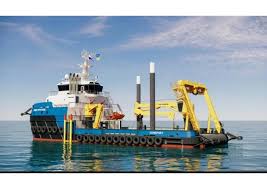
The Government of India has approved a ₹364 crore National Rollout Plan for the Vessel Communication and Support System (VCSS) to enhance safety, security, and monitoring of marine fishing vessels across the country. The project, sanctioned under the Pradhan Mantri Matsya Sampada Yojana (PMMSY), will cover one lakh mechanised and motorised fishing vessels operating across all 13 coastal states and union territories.
Implemented by the Department of Fisheries, VCSS involves the installation of indigenously developed satellite-based transponders with technical support from the Indian Space Research Organisation (ISRO). The system enables two-way satellite communication, providing real-time support to fishers at sea and strengthening maritime safety and surveillance.
VCSS offers critical alerts related to adverse weather conditions, No Fishing Zones, and proximity to the International Maritime Boundary Line (IMBL) through geo-fencing. The system is also integrated with the Nabhmitra App, ensuring timely communication and support for fishers operating in deep-sea and coastal waters. The project aims for pan-India coverage, enhancing operational awareness and safety at sea.
So far, over 49,000 transponders have already been installed in various coastal states and union territories under the project, marking steady progress towards the target of one lakh vessels.
The government has reiterated that harmful fishing practices, including bull trawling, pair trawling, and the use of artificial or LED lights for fishing, are prohibited within India’s Exclusive Economic Zone (EEZ). While purse seine fishing is banned by some states and UTs within their territorial waters, it is permitted by others. Based on recommendations of an expert committee, purse seine fishing is not prohibited in the EEZ beyond territorial waters.
Enforcement of fishing regulations remains the responsibility of state and UT governments under their respective Marine Fisheries Regulation Acts (MFRAs). States have been advised to strengthen harbour-based monitoring, issue necessary government orders, deploy patrol vessels and drones, and take punitive action against violators. Although no joint patrolling is conducted by State Fisheries Departments and the Coast Guard, Indian Coast Guard ships, during routine patrols, monitor prohibited fishing activities and report violations to state authorities for action.
Penal measures for illegal fishing include seizure of vessels and gear, imposition of fines, and prosecution, as per applicable laws.
This information was shared by Union Minister for Fisheries, Animal Husbandry and Dairying Shri Rajiv Ranjan Singh (Lalan Singh) in the Lok Sabha, underlining the government’s focus on technology-led maritime safety, regulation, and sustainable fisheries management.
Source: PIB