


BIFA’s two-day National Conference in Warwick examined AI, customs reform, freight crime, sustainability and skills.
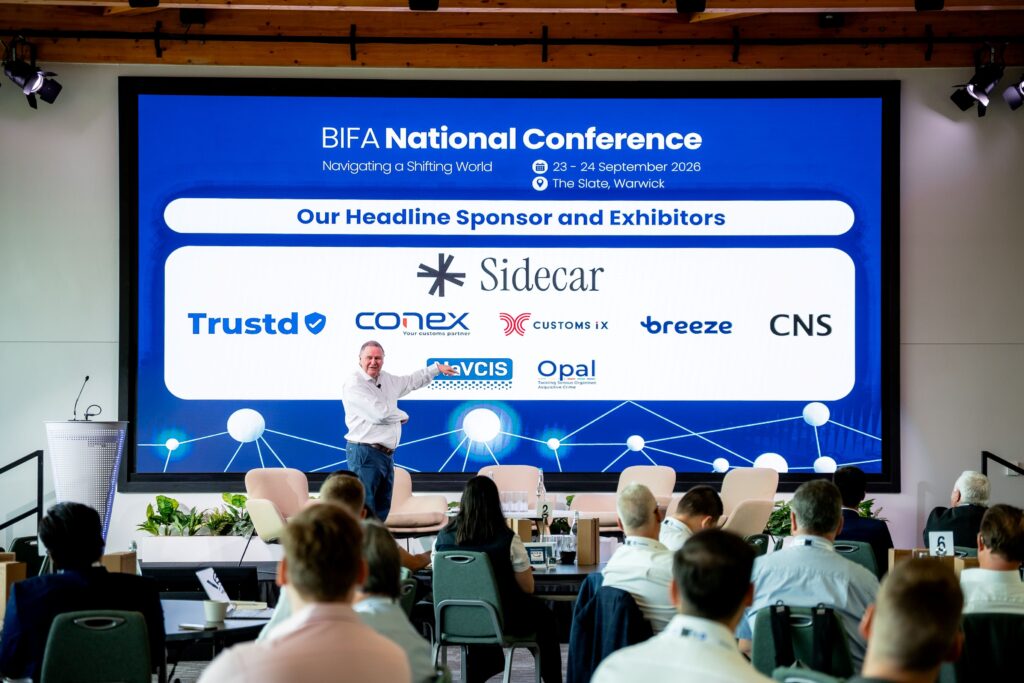
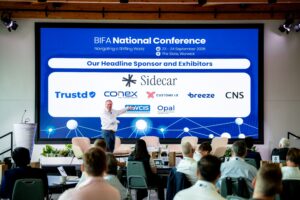
The BIFA National Conference was held on September 23 and 24 at The Slate in Warwick under the theme “Navigating a Shifting World”. The event brought together BIFA members, policymakers, regulators and industry experts to explore how the freight forwarding sector can respond to an increasingly complex and fast-changing trading environment. The two-day programme covered artificial intelligence, customs reform, freight crime, sustainability, skills and changing patterns of global trade.
BIFA Director General Steve Parker said freight forwarders are operating in a period of significant change but the industry has an enormous capacity to adapt. He said freight forwarding sits at the centre of international trade and members must respond to change on many fronts at once. He added that BIFA’s role is to ensure members have access to the expertise, information and representation they need, and described the conference as the right place for these discussions.
Artificial intelligence featured prominently on the first day. Sidecar founder and CEO Sudhanshu Heda explored how freight forwarders, 3PLs, shippers and carriers are already using AI across quoting, operations and finance. A dedicated AI and data panel then examined the technology from industry, academic and government perspectives, including the changing use of data in freight and logistics and the implications for future regulation and compliance. Delegates also heard from HMRC on customs developments affecting day-to-day operations, including the Customs Declaration Service and the Trader Support Service, along with an overview of future priorities.
Freight crime and financial fraud were another key focus. Representatives from Companies House, Opal and NaVCIS joined BIFA to examine how criminals can exploit weaknesses in company information and the steps businesses can take to strengthen due diligence. Sustainability formed another major strand, with discussions on practical approaches to decarbonising freight and the growing role of data in measuring and reducing supply chain emissions.
Day two focused on the future of customs and international trade. An expert panel considered the implications of EU Customs Reform, greater data sharing, digitalisation, AI and increasing compliance requirements. Peter Foster, World Trade Editor at the Financial Times, joined BIFA’s Allie Renison to discuss trends shaping global trade, including the UK’s trading relationships and wider international developments likely to influence trade flows and supply chains. DP World spoke on building more sustainable international supply chains, while Citation provided an update on changes facing employers following the Employment Rights Act 2025.
On skills, Jennifer Swain MBE of Road to Logistics joined BIFA’s Carl Hobbis to examine how the industry can move beyond traditional recruitment models and take a more active role in developing its future workforce. The conference concluded with a keynote from James Tibbitts of LabourList on key policy issues affecting the sector. The first day ended with a drinks reception and gala dinner, which included a fundraising appeal for international development organisation Transaid and guest appearances from Harry Redknapp and Tony Cottee.
4.