


The 109th NPG meet evaluates rail, metro and airport projects to enhance multimodal connectivity and logistics efficiency.

The 109th meeting of the Network Planning Group (NPG) under the PM GatiShakti National Master Plan has evaluated a series of critical infrastructure projects aimed at strengthening multimodal connectivity and improving logistics efficiency across India.
Held at the Department for Promotion of Industry and Internal Trade (DPIIT), the meeting reviewed proposals from the Ministry of Railways, the Ministry of Housing and Urban Affairs, and the Ministry of Civil Aviation. In total, the NPG assessed two rail projects, one metro project, and one airport project for alignment with PM GatiShakti principles, including integrated planning, last-mile connectivity, and a whole-of-government approach.
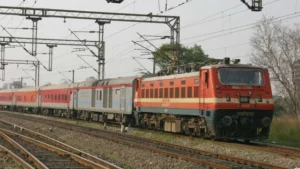
Among the key proposals was the construction of a third railway line between Jalandhar Cantt and Jammu Tawi, spanning 210.750 km across Punjab, Himachal Pradesh and Jammu & Kashmir. Covering 27 stations, the project is expected to significantly enhance rail capacity on a strategically vital corridor, enabling faster movement of goods, agricultural produce, construction materials, and defence logistics to border regions.
The NPG also evaluated the proposed third rail line between Manikpur and Itarsi, covering 518.532 km across Uttar Pradesh and Madhya Pradesh. This corridor, which links northern and central India, carries heavy passenger and freight traffic. Capacity augmentation is expected to reduce congestion, improve operational resilience, and support industrial hubs, goods sheds and regional economic growth.
In the aviation sector, the development of a greenfield airport at Doloo, Silchar, in Assam, adjacent to NH-27, was reviewed. The project aims to address capacity constraints at the existing airport and enhance regional and national connectivity. Once operational, the airport is expected to support trade, tourism and logistics, while generating strong multiplier effects across allied sectors.
Urban mobility and last-mile integration were addressed through the 4.4 km extension of Surat Metro Corridor II (Phase I) from Saroli to the Mumbai–Ahmedabad high-speed rail corridor. The elevated extension, comprising three stations with provision for two more, is designed as a dedicated feeder to the HSR network, enabling seamless multimodal integration and improving passenger convenience.
According to the NPG, these projects are expected to boost logistics efficiency, reduce travel and transit times, and deliver significant socio-economic benefits to their respective regions, reinforcing India’s push towards integrated, future-ready infrastructure under the PM GatiShakti framework.
Source: PIB